Unlock the Best Culinary Tourism Experiences in 2025: Top Hotels, World-Famous Food Festivals, and Immersive Dining Adventures Await
Published on
August 15, 2025

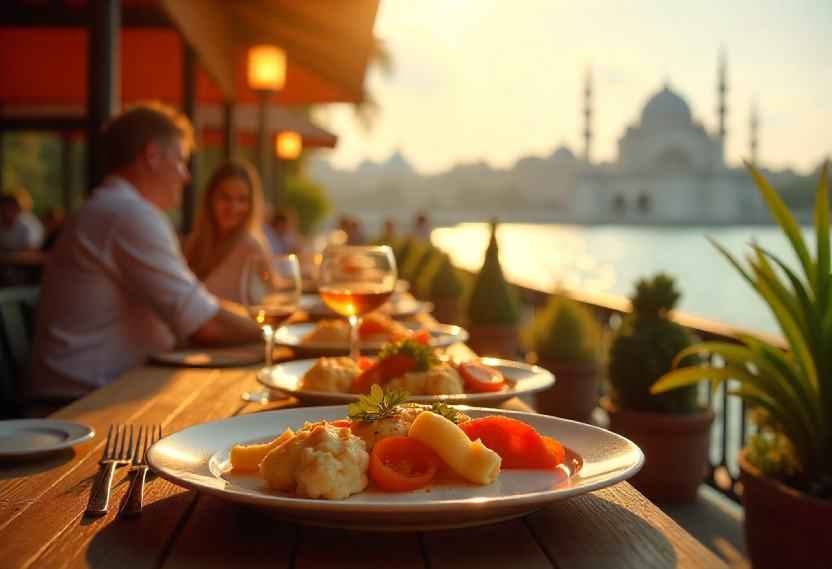
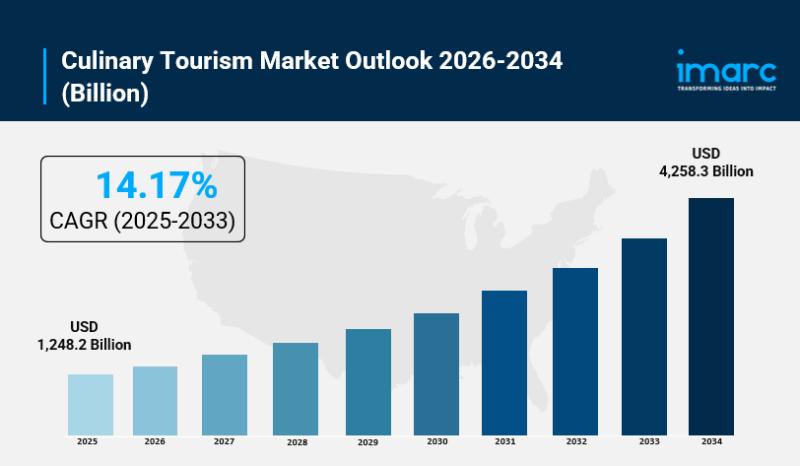
Travelers are now looking for deeper and self-engaged food experiences and therefore culinary tourism is attaining a remarkable growth. From USD 11.5 billion in 2023, the number is expected to hit USD 40.53 billion by 20230. This growth is attributed to the improvement in the traveler’s food preferences and increased demand for unique gastronomic travel. The growing culinary tourism market provides a fantastic opportunity for everyone in the tourism value chain , be it the tour operators, local communities or any other tourism stakeholders, to make the most of evolving opportunities.
The Market Landscape and Growth Forecast
Culinary tourism is on the verge of a spirited 20% annual leap between 2024 and 2030. This rise comes from curious travelers trading traditional sightseeing for a seat at the kitchen table of culture. Rather than dining for the sake of dining, they want to taste the ritual and history simmered into every bowl and morsel, marking gastronomy as a critical, nonnegotiable destination. The Asia Pacific basin is a vivid magnet, its kitchen streams swelling with seekers who fly to Japan, Thailand and Vietnam—where every bite broadcasts the earth, the water and the generations who have stewarded both. Travelers have a single ambition: the clear, regionally anchored flavor that tells the story of its people as clearly as a passport stamp.
Europe, of course, still wears the culinary tiara. Italy, Spain, and France continue to weave their ancient artistry—Sangiovese corked at harvest, jamón carved at the bar, truffles secreted by scent—into the arc of every itinerary. The lonely trilled note of a rustic French bistro, the bustle of a late-night tapas crawl, the gentle pound of olives in Tuscany: the romance feels as necessary as daylight. North America, nevertheless, is setting a bold table. Inventive trails of dumplings, fusion tacos and cedar-planked salmon now radiate from buzzing New York, Los Angeles and Vancouver. Here, the journey is as much about tasting as photographing. Travelers now equate a smoked beet tartare with the skyline, and the next wave of voyagers is already booking under the simple, timeless theme: tell your story with flavor..
2. Health-Conscious and Plant-Based Options
Key Trends Shaping Culinary Tourism
Several key trends are shaping the future of culinary tourism, making it a dynamic and evolving market:
1. Sustainable and Ethical Dining
Travelers are becoming picky about the mark they leave on the planet, and the rise of culinary journeys that spotlight responsible and ethical practices is proof. The trend of hyperlocal sourcing—chefs grabbing veggies, seafood, and foraged finds straight from the closest growers and gatherers—now stands as the gold standard of modern food tourism. This not only pumps fresh cash into local pockets but also cuts the carbon bill of cross-country freight.
At the same time, more and more kitchens are labeling themselves zero-waste, flipping every beet and fish spine into either the plate or the pantry; peel becomes broth, trim becomes oil, cores turn into jams. Many have also teamed up with farmers devoted to regenerative practices that boost soil, water, and wildlife for years to come. Diners, for their part, are zeroing in on flavors that taste good and feel good—meals that match the stories they want to tell about their time on the road.
2. Health-Conscious and Plant-Based Options
A steady upward trend is marking the growing fascination with health-oriented and vegetable-driven experiences in culinary tourism. Increasingly, travelers are choosing itineraries that spotlight dishes in which vegetables, legumes, and grains shine without apology. Compounding this trend is the arrival of bespoke nutrition, in which the itinerary is designed for the individual diner—gluten-free one night, wholly plant-based another, or crafted to minimize sugars on a third.
Products that are marketed for their functional benefits—heritage grains, adaptogens, herbal extracts—are finding a steady seat at the table. Deemed respectable for their reported wellness effects, these elements are appearing on tasting menus in fine-dining houses that have set their compass on the health-driven visitor.
3. Digitalization and Personalized Experiences
Technology is woven into the fabric of today’s culinary tourism, quietly yet powerfully shaping the way we taste the world. Machine-learned recommendations sift through our preferences, previous trips, and mountains of reviews, charting a rm and customized map of food stalls, hidden wine trails, and secret beer tastings that we alone discover. These smart suggestions neutralize the intimidation of language and unfamiliar menus, so we land straight into flavors that already feel like old friends.
Meanwhile, virtual cooking classes have quietly erased the distance that once defined a trip. From my home kitchen, I can roll, toss, and sing the flourish of dough alongside a Neapolitan pizzaiolo; I can toast cumin and coriander with Anong on a Bangkok street corner; I can seal dumplings with Mama Li, who waits between the bamboo steamer and her stories of Beijing alleyways. These shared benches-digitized yet intimate-democratize the world’s kitchens and fold us into them, letting us taste the warmth of the stove and the warmth of the chef in the same breath.
Experiential and Immersive Travel
Today’s adventurers seek far more from their meals than good flavor; they hunger for journeys that braid food into the living culture of a place. Culinary byways are now the trip planners’ favored route, stitching together market strolls, sun-soaked farm visits, and quick stops at Grandma’s café into an unfolding story of flavor. Guided by a local who knows every twist of the land, travelers watch a region’s taste unspool before their eyes, absorbing nuances that no plated dish in a single restaurant could ever reveal.
Equally prized are the kitchen pop-up sessions that dot every trail. Gifted home cooks and white-jacketed chefs step back from stovetops and lift curious travelers into the dance of daily meal making: fists in bread dough, mortar pounding bright chilies, measuring spices, and trading remembered family hints. Recipes are more than ingredients; they are living archives, and every new hand adds its chapter. The trails often weave into the calendar, too, aligning curious onlookers with riotous local food festivals when harvests burst, old dishes are sung back to life, and entire villages come together under festoon lights to proclaim the land’s flavor in one tuneful, shared voice.
Hotels with Curated Culinary Experiences in 2025
Here are some key hotels and resorts offering exceptional culinary experiences that align with the growing trend of immersive dining:
1. The Chedi Niseko – Japan
Chedi Hospitality is set to debut in Japan with The Chedi Niseko, an exclusive alpine boutique hotel in Hirafu, Niseko, scheduled to open in June 2029. As part of its pre-opening strategy, the hotel will unveil a series of seasonal culinary activations over the next three winters. These curated experiences aim to provide early insight into the brand’s gastronomic vision, blending global culinary excellence with Japanese hospitality traditions.
2. The Chedi Andermatt – Switzerland
The Chedi Andermatt continues to offer exceptional culinary experiences in 2025. The hotel’s restaurant, The Japanese at Gütsch, has earned its 17th point in the GaultMillau Guide Switzerland 2025. Additionally, the hotel hosts the annual Chedi Summer Festival, featuring BBQ creations, signature dishes, and refreshing aperitivo cocktails, open to both hotel guests and external visitors.
3. The Chedi Luštica Bay – Montenegro
The Chedi Luštica Bay offers a “Taste of Luštica” experience, highlighting seasonal culinary offerings at its various dining venues, including The Spot Restaurant, The Lobby Bar, The Rok Beach Bar & Lounge, and The Japanese. This initiative celebrates the freshest flavors inspired by the Adriatic and the spirit of a Montenegrin summer.
4. The Chedi Katara – Qatar
The Chedi Katara Hotel & Resort in Doha offers a refined escape with a focus on wellness, gastronomy, and curated experiences. The resort’s culinary offerings include themed nights such as Sushi Night, Beach N’ Brunch, Levantine Bonfire BBQ Night, and Seafood Around the World, providing guests with diverse dining options.
Culinary Festivals Around the World in 2025
Around the world, several culinary events are emerging as key attractions for food-focused travelers. Some of the most renowned events include:
1. Gion Matsuri – Kyoto, Japan
One of Japan’s most renowned festivals, Gion Matsuri takes place throughout July. The festival features traditional food stalls offering local delicacies such as yakitori (grilled chicken skewers), takoyaki (octopus balls), and wagashi (Japanese sweets). Visitors can also enjoy the Hyakumangoku Parade, reenacting the 16th-century procession of Lord Maeda Toshiie into Kanazawa Castle.
2. Washu Fes – Osaka & Tokyo, Japan
Washu Fes is a sake and food festival celebrating seasonal Japanese sake, food, and culture. Attendees can taste over a hundred kinds of sake from different sake breweries across Japan, paired with regional dishes, offering a deep dive into Japan’s rich culinary heritage.
3. Kyushu Food Fair – Japan
Experience the flavors of Kyushu at this special food fair, featuring a limited-time selection of exclusive items straight from Japan. The fair offers a taste of Kyushu’s unique culinary offerings, allowing attendees to explore the region’s diverse food culture.
4. Best Ever Japan Food Tour – Tokyo, Kyoto & Osaka
Embark on a culinary journey through Tokyo, Kyoto, and Osaka with this guided food tour. The tour includes delightful culinary experiences such as cooking classes, market and street food tours, and traditional tea ceremonies, providing an immersive exploration of Japan’s food culture.
5. Yerevan Wine Days – Armenia
Held from June 6–8, 2025, Yerevan Wine Days is an annual international street festival dedicated to winemaking. The event features over 200 Armenian wines, along with traditional food, music, and cultural performances, offering a comprehensive experience of Armenia’s rich culinary heritage.
6. Puerto Vallarta International Gourmet Festival – Mexico
Scheduled for November 2025, this festival invites culinary professionals from around the world to showcase their cuisines. Events include wine tastings, chef’s tables, and the traditional Gala Dinner, “The Spirit of Mexico,” providing attendees with a diverse array of gourmet experiences.
7. South Beach Food & Wine Festival – Miami, USA
Taking place from February 20–23, 2025, this four-day culinary extravaganza features tastings, masterclasses, and events hosted by prominent chefs. The festival not only offers exceptional dining experiences but also supports a good cause, with proceeds benefiting the Chaplin School of Hospitality & Tourism Management at Florida International University.
8. Savor Culinary Festival – Sun Peaks, Canada
On March 29, 2025, the Savour Festival at Sun Peaks brings together top chefs and sommeliers to create a multi-course dining journey. The event celebrates local and regional flavors, offering guests expertly crafted dishes paired with fine wines in a picturesque mountain setting.
Culinary Tourism and Local Communities
Culinary tourism has blossomed into both a sturdy economic driver and a thoughtful guardian of terroir and tradition. When travelers are invited to fold bread dough, taste a golden-first-press olive oil, or listen to a grandmother recount how her mother once made the annual lentil stew, they are not passive observers. Their gestures, their wallets, their respect, become a daily tithe that helps the past walk into the present. Farmers plow new rows of heirloom carrots, cheesemakers invest in small-batch rinds, and market girls keep their grannies’ songs alive beside the scales. Money hums through micro-districts–from roadside nurseries to rooftop tavernas–while visitors slip home with jars of smoky chimichurri or a taste of purple corn drink bottled under the same sun. These are not souvenirs; they are living corridors of taste and memory, fork-in-hand bridges that keep the globe sweetly, tangentially, forever small.
Conclusion
Culinary tourism is no flash-in-the-pan fad; it’s a sector now built to last and swell. Travelers craving sustainable and healthful dishes offered with a side of depth are rewriting the itinerary. Regions around the globe are tuning in and opening the door wider to market tours, street-food safaris, harvest festivals, and chef-hosted dinners in farms. Every trip now offers a chance to knead dough, blend spices, or raise a glass at a local vineyard, and the next year’s itinerary is already brimming with new Shakshuka master classes and Michelin pop-ups, immersive as they are delicious. From packaged vineyard bike rides to chef’s tables in lofted hotel gardens, the calendar ahead is a banquet of endless taste-driven discoveries.

link



![‘Project Hail Mary’ Review: Ryan Gosling is Stuck Between a Rocky and a Hard Place in Crowdpleasing Sci-Fi Buddy Movie Adventure [A-]](https://i0.wp.com/awardswatch.com/wp-content/uploads/2026/03/PHM_30245_R2_rgb-scaled.jpg?fit=1200%2C800&ssl=1 "‘Project Hail Mary’ Review: Ryan Gosling is Stuck Between a Rocky and a Hard Place in Crowdpleasing Sci-Fi Buddy Movie Adventure [A-]")