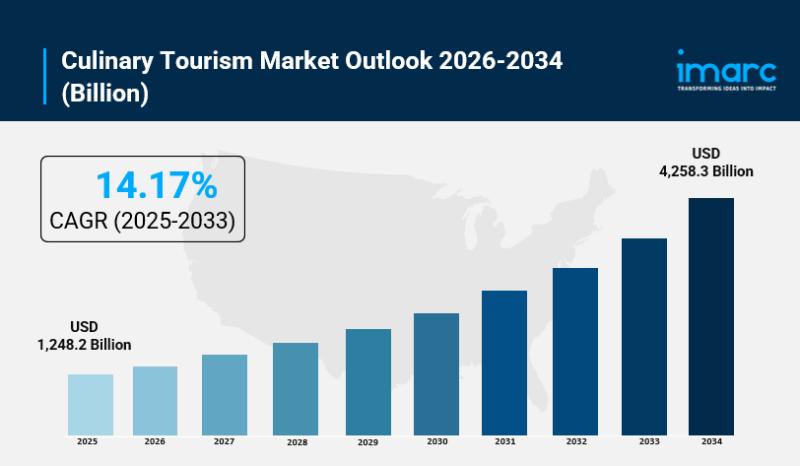
The growing influence of Culinary Arts globally

In an era where the world is increasingly interconnected, culinary arts have emerged as far more than just the skill of cooking—they are a bridge between cultures, a driver of innovation, and a vital part of the global economy. From the bustling food streets of Delhi and Mumbai to Michelin-starred kitchens in London and Tokyo, food has become both a universal language and a powerful profession.
A global cultural and economic wave
Culinary arts now occupy a central place in global discussions on tourism, hospitality, lifestyle, health, and creativity. People travel not only to see landmarks but to taste local flavours, learn regional cooking techniques, and immerse themselves in food cultures. This has elevated cooking and cuisine into an international industry with a strong growth trajectory.
India’s rising significance
For India, the opportunity has never been greater. The Indian food-service industry is projected to grow by 10.33% by 2033, reflecting the country’s rapid urbanisation, rising disposable incomes, and growing demand for diverse dining experiences (source: IMARC Group).
At the same time, India’s culinary tourism sector—which focuses on travel experiences centred around food, cooking, and local produce—is estimated to be growing at over 20 % annually, as more travellers seek immersive food trails, regional cuisines, and authentic cooking experiences (Grand View Research).
These trends show that culinary arts are not only enriching cultural expression but also powering economic growth, employment, and entrepreneurship in India.
Why culinary arts are growing in influence
-
Globalisation of taste: With increased travel, digital exposure, and migration, cuisines now cross borders seamlessly. Diners everywhere are curious about global flavours—from ramen and tacos to dosa and butter chicken—creating a demand for chefs who can blend authenticity with innovation.
-
Tourism meets food: Culinary tourism is now a major part of travel planning. From vineyard tours in France to spice routes in Kerala, food experiences are redefining the travel industry.
-
Evolving career paths: The modern culinary world goes beyond restaurant kitchens—it includes food styling, nutrition consulting, sustainable gastronomy, entrepreneurship, and digital content creation.
-
Heritage meets innovation: India’s rich and diverse food traditions give it a unique advantage. When coupled with modern culinary education and global exposure, it allows Indian chefs and entrepreneurs to bring local flavours to international platforms.
link



![‘Project Hail Mary’ Review: Ryan Gosling is Stuck Between a Rocky and a Hard Place in Crowdpleasing Sci-Fi Buddy Movie Adventure [A-]](https://i0.wp.com/awardswatch.com/wp-content/uploads/2026/03/PHM_30245_R2_rgb-scaled.jpg?fit=1200%2C800&ssl=1 "‘Project Hail Mary’ Review: Ryan Gosling is Stuck Between a Rocky and a Hard Place in Crowdpleasing Sci-Fi Buddy Movie Adventure [A-]")