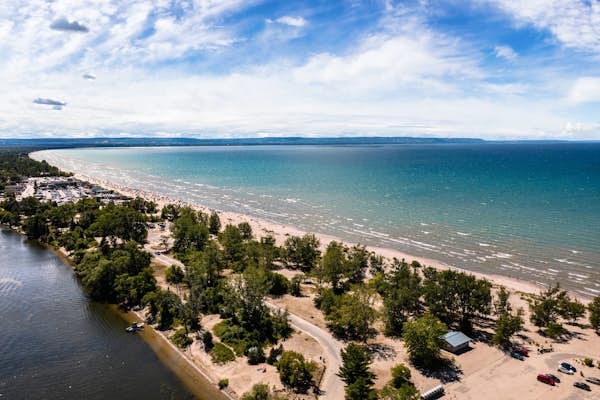
Culinary tourism is travel that connects the taste buds with the people, culture and landscape of a region

Applebottom Orchards in Palmerston is an experiential destination where sustainable agriculture and community come together.IMAGE COURTESY OF PERTH COUNTY
In a world of uncertainty, especially over the past five years, food is a tangible touchpoint that provides great comfort.
That, in a nutshell, is at the foundation of why food tourism has been on such an upswing, according to people in the Ontario tourism industry.
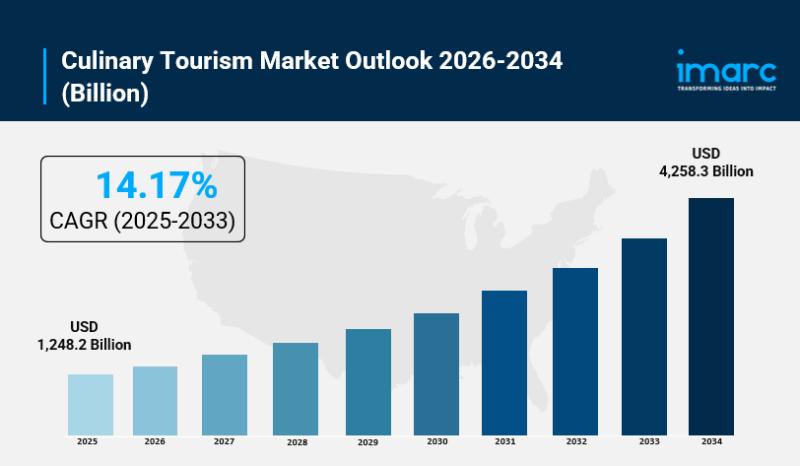
According to Horizon Grand View Research, the Canada culinary tourism market generated revenue of US$483.6-million ($676-million) in 2023 and is expected to reach US$1.8-billion ($2.5-billion) by 2030, with the largest segment being made up of food festivals.
Ontario is rich in culinary tourism, benefiting from a diverse climate due to the province’s size – humid in the south to sub-zero in the north – allowing for diverse agriculture as well. Ontario farmers produce more than 200 commodities, according to the Ontario Federation of Agriculture, from dairy and meat to fruits, vegetables and crops for feed and fuel.
Chef Alex Page hosts farm-to-table dinners at the Villa, which is part of Villa Vida Loca, a boutique farm market and agritourism destination in Sunderland.IMAGE COURTESY OF CENTRAL COUNTIES TOURISM
The province also boasts a rich tapestry of different cultures, stemming from a long history of welcoming immigrants from across the world with open arms. Toronto’s racialized population, for instance, accounts for 55.7 per cent of the city’s total population (2.76 million in 2021), earning it a reputation as the most multicultural city in the world, according to Statistics Canada. And with all those cultural influences come unique culinary traditions, enriching the country’s food scene.
“There are so many Canadian food experiences,” says Ian Worte, destination development manager with the Culinary Tourism Alliance. “It could be anything between eating local seafood on the East Coast or Taiwanese food in Markham. I think both of those are equally Canadian food experiences. The idea with Canada is that you can get all of these things in one place.”
“Culinary tourism is the idea that a destination’s food and beverage product, including restaurants, wineries, farms and hands-on experiences, is compelling enough to motivate visitors to travel there,” says Darryl MacMillan, executive director of Tourism Niagara Canada.
Culinary tourism has long been happening in Niagara, before there was an industry term for it. MacMillan points to the 1960s – when it was common for home canners from across the province to make summer pilgrimages to Niagara to stock up on peaches to take home and can for the winter.
Ramon Eberle, co-owner and cheese maker with Stonetown Artisan Cheese in St. Marys, makes alpine-style cheese from farm-fresh milk.IMAGE COURTESY OF PERTH COUNTY
That’s now expanded, of course. People travel to Niagara to enjoy the largest and most concentrated wine-producing region in Canada. There are dozens of world-class wineries, award-winning varietals, and year-round wine and food pairing festivals and events, such as sub-zero events in January to celebrate icewine season or the six-day Niagara Grape & Wine Festival in St. Catharines held each September, which is Canada’s oldest and largest wine festival.
The Niagara region is rich in farm-to-fork dining experiences, allowing visitors to see dishes come to life, better understanding and appreciating the ingredients and learning about the livelihoods of the people and the communities behind them.
Food tourism is literally about travel that connects taste buds with the culture, people and the landscape of a region. It’s about meals made with ingredients harvested that morning from a nearby farm, sipping wine where the grapes were grown, talking to a passionate farmer at a local market or chef who shares their love of the land and what they do. It’s that linear, says Jen Moore, marketing manager with Ontario’s Southwest.
“I think one big reason behind the growth of culinary tourism is the way food can make us feel,” MacMillan says. “When someone comes to Niagara Falls to take a pasta-making class at Terra Mia, or pick fresh cherries from an orchard in Vineland or bite into a fresh-from-the-oven butter tart from 13th Street Bakery, they’re having an experience that feels good, smells great and tastes amazing. Those kinds of multi-sensory moments are where the magic happens.”
Culinary Tourism Alliance is a member-driven organization featuring more than 50 destinations, organizations and businesses supporting culinary tourism in Ontario, a one-stop resource for anyone planning a food adventure this summer.
“In our view, culinary tourism includes the active pursuit of unique and memorable eating and drinking experiences as well as agritourism experiences that connect what is being grown and produced in an area to what is being prepared and enjoyed by locals,” says Gabrielle Mueller, marketing manager at Culinary Tourism Alliance.
“Seeking out authentic food, drink and agritourism experiences allows them to interact with locals in a destination, get to the heart of what makes a place unique and learn more about where their food comes from and how it gets to the plate.”
The opportunities to explore places through its flavours are practically endless.
In Perth County, that means experiencing life at a slower pace, says Ricky Zhao, tourism officer at the Corporation of the County of Perth.
Visitors that come there crave meaningful experiences that connect them with place, such as visiting working farms like Lynn River Farm near Stratford for GRAZE farm-to-table dinners, sipping wine and sampling cheeses alongside goats at The Perth Farmhouse near Waterloo, talking honeybee health with the owners of local apiaries, experiencing a hands-on workshop on the process of making hand-painted and filled bonbons at Chok Fine Chocolates in Shakespeare or going to Anna Mae’s Bakery & Restaurant in Millbank for hearty Mennonite cooking and incredible baked goods.
For deeper immersion, stay where the food is, Moore says. Farm stays are about rustic charm and a front-row seat to rural life. Jireh Hills Family Homestead nature lodges in Brooke-Alvinston, Burning Kiln Winery’s Farmhouse Inn in St. Williams, Udderly Ridiculous Farm Life glamping in Bright and Cider Keg Farm Market retreats in Vittoria are popular options in her region, as are boutique hotels with standout restaurants, such as Twisted Lemon Restaurant & Boutique Inn in Cayuga or Clock Tower Inn & Bistro in Strathroy.
One of the most buzzed-about restaurants in the province is the Michelin-starred restaurant Pearl Morissette in Niagara Region, which has an ever-changing menu of regional ingredients. Also in Niagara, the Wine Country Tailgate Party in June and the International Cool Climate Chardonnay Celebration in July meld the region’s culinary and winemaking talent.
In York, Durham and Headwaters (YDH), culinary highlights this summer include: the Taste of Asia Festival in Markham, a celebration of Asian cuisine running June 27 to June 29; a smorgasbord of casual culinary variety at the Food Truck Corral in Oshawa; Lennox Farm Field to Fork Dinner Series, an authentic farm-to-table dining experience north of Shelburne; al fresco picnics at Avalon Lavender Farm in Mono; Cauldron cookouts at Villa Vida Loca in Sunderland; and Birchwood Luxury Camping in Port Perry, where guests can enjoy a private chef experience in a cozy geodesic dome.
When planning a culinary adventure, identify your interests first, says Susan Boyle, director of marketing for Central Counties Tourism.
“Whether you’re passionate about fresh, local ingredients, love learning about sustainable farming or want to explore farmers’ markets and local shops, start by identifying what excites you,” she says. “From there, plan your trip around those experiences – farm tours, visiting local markets or dining at farm-to-table restaurants.” YDH has an Ultimate Road Trip Planning Tool to help build a culinary journey that suits a budget and particular interests.
Exploring with a purpose will help you craft an itinerary. In Perth County, Zhao recommends picking up the Farm Gate Map to plan produce pickups while you are there.
“When it comes to meals, aim to eat like a local,” Moore says. “Seek out restaurants that spotlight seasonal ingredients and support local producers. Look for the Feast On® designation to help guide your choices.”
Advertising feature produced by Globe Content Studio. The Globe’s editorial department was not involved.
link



![‘Project Hail Mary’ Review: Ryan Gosling is Stuck Between a Rocky and a Hard Place in Crowdpleasing Sci-Fi Buddy Movie Adventure [A-]](https://i0.wp.com/awardswatch.com/wp-content/uploads/2026/03/PHM_30245_R2_rgb-scaled.jpg?fit=1200%2C800&ssl=1 "‘Project Hail Mary’ Review: Ryan Gosling is Stuck Between a Rocky and a Hard Place in Crowdpleasing Sci-Fi Buddy Movie Adventure [A-]")