Capitalizing on Culinary Crescendos and Marriott’s Strategic Edge

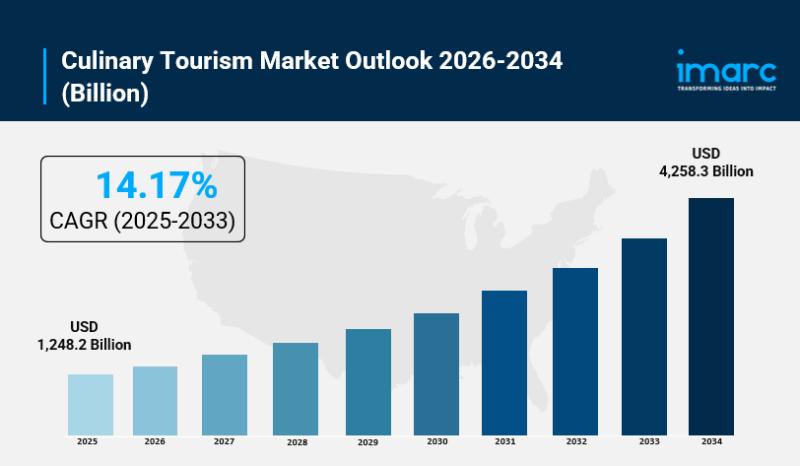
The Asia-Pacific luxury travel sector is on a crescendo, fueled by rising demand for gastronomy-driven experiences and the strategic expansion of hospitality giants like Marriott. With a projected CAGR of 8.6% through 2030 and a culinary tourism market growing at 14.46%, the region presents compelling opportunities for investors to capitalize on food-centric luxury assets. Let’s dissect the trends and identify where to allocate capital.
India: High-Net-Worth (HNW) Spending and Cultural Culinary Demand
India’s tourism sector is surging, driven by HNW travelers seeking cultural immersion and gastronomic exploration. The 41-60 age group—holding a 41.67% share of luxury travelers—prioritizes UNESCO World Heritage Sites and local culinary traditions. Cities like Mumbai and Delhi are emerging as hubs for fusion cuisine, where Michelin-starred chefs reimagine regional dishes.
Investment opportunity lies in luxury hotels integrating hyperlocal dining programs. For instance, Marriott’s The Luxury Collection brand could dominate here, offering curated experiences like Goan fish curry workshops or Rajasthani spice trail tours.
Australia: The Culinary Hub with Sustainability at Its Core
Australia’s tourism revival is food-first, with international arrivals up 15% in 2024. Regions like Sydney, Melbourne, and the Hunter Valley wine country attract global “Experience Connoisseurs” who prioritize farm-to-table dining and eco-friendly stays.
Marriott’s Ritz-Carlton and St. Regis brands—already present in Sydney and Melbourne—could expand into regional areas, leveraging Australia’s sustainability credentials (e.g., carbon-neutral certifications and partnerships with local farmers).
Niche Personas: Venture Travelist & Experience Connoisseur
- Venture Travelist: Adventurous millennials drawn to active culinary experiences, such as hiking in Bali followed by a jungle-to-table feast.
- Experience Connoisseur: Ultra-luxury travelers seeking exclusive dining events—think private chef dinners at Singapore’s Marina Bay Sands or a sushi-making class with Tokyo’s Michelin-starred chefs.
These personas drive demand for bespoke packages that blend cuisine with adventure, making properties offering such services prime targets for investment.
Marriott’s Strategic Edge: Brands and Sustainability
Marriott’s luxury portfolio—Ritz-Carlton, St. Regis, and W Hotels—is ideally positioned to capitalize on APAC’s culinary boom. Their sustainability initiatives (e.g., farm partnerships, zero-waste kitchens) align with traveler priorities:
– Ritz-Carlton Bali: Offers local artisanal cooking classes using organic ingredients.
– St. Regis Mumbai: Hosts heritage spice tastings tied to India’s culinary history.
Investment Thesis: Allocate to Food-Centric, Sustainable Hospitality
- Focus on Gastronomy-Driven Destinations:
- India: Back luxury hotels in Mumbai/Delhi with fusion cuisine programs.
-
Australia: Invest in eco-lodges and vineyard resorts with farm-to-table offerings.
-
Leverage Marriott’s Brand Strength:
-
Target markets where Marriott’s luxury brands are underpenetrated but demand is rising (e.g., Southeast Asia’s culinary trail destinations).
-
Prioritize Sustainability:
- Properties with UNESCO-linked food heritage programs (e.g., Japan’s kaiseki cuisine) or carbon-neutral certifications will attract ESG-conscious investors.
Risks and Considerations
- Economic Volatility: Monitor currency fluctuations and inflation impacts on discretionary spending.
- Over-Tourism: Ensure investments in destinations with robust infrastructure to manage visitor numbers.
Conclusion
The Asia-Pacific luxury travel sector is a culinary goldmine for investors. Marriott’s brands, paired with strategic bets on India’s HNW travelers and Australia’s sustainable culinary hubs, offer a winning formula. As gastronomy becomes the ultimate travel differentiator, capitalizing on these trends could yield double-digit returns in the coming decade.
Allocate now to assets that blend flavor, heritage, and sustainability—the trifecta of APAC’s luxury travel future.
link



![‘Project Hail Mary’ Review: Ryan Gosling is Stuck Between a Rocky and a Hard Place in Crowdpleasing Sci-Fi Buddy Movie Adventure [A-]](https://i0.wp.com/awardswatch.com/wp-content/uploads/2026/03/PHM_30245_R2_rgb-scaled.jpg?fit=1200%2C800&ssl=1 "‘Project Hail Mary’ Review: Ryan Gosling is Stuck Between a Rocky and a Hard Place in Crowdpleasing Sci-Fi Buddy Movie Adventure [A-]")