Canadian travel warnings for these hot vacation destinations
admin February 10, 2026 0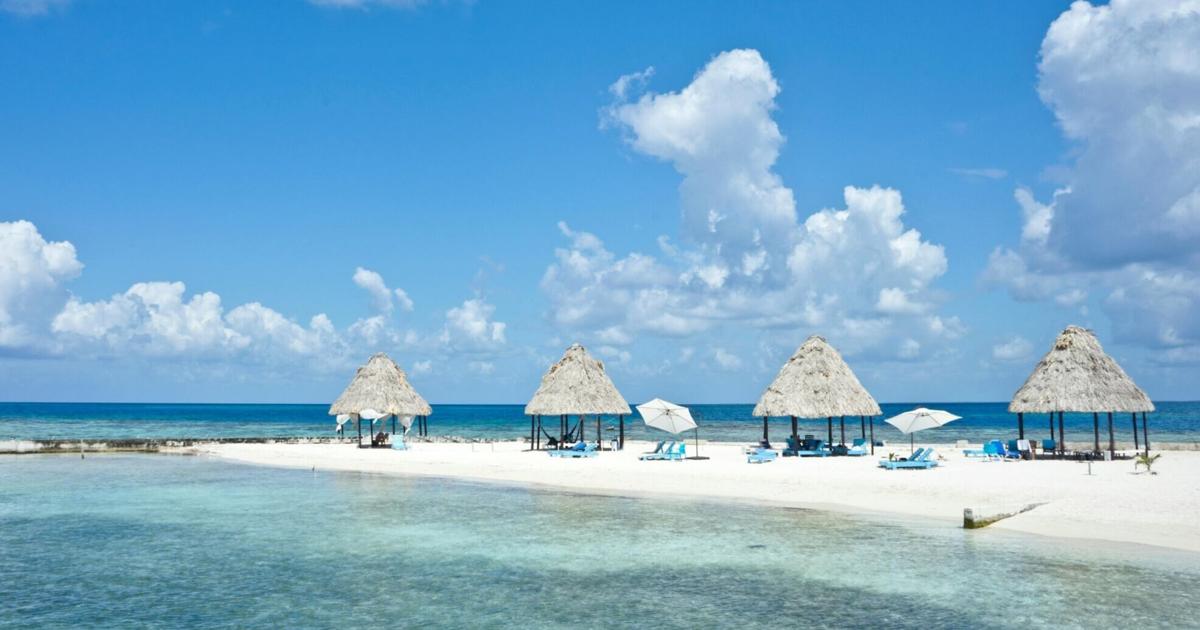
Canada’s college students will enjoy a weeklong break for reading week in February — and many of them will leave winter behind by visiting hot southern destinations.
However, before travelling, sunseekers should consult Canada’s travel advisories to help them avoid issues that could spoil their getaway.
The Canadian government has travel advisories for destinations around the world. They are updated frequently.
Below is a look at warnings in place for southern destinations, as of Feb. 3.
Canada’s travel advisory said people should “exercise a high degree of caution in The Bahamas due to high rates of crime, especially in Nassau and Freeport.”
The full advisory for The Bahamas is available online.
Canada warns travellers about crime in Belize.
“Exercise a high degree of caution in Belize due to high levels of violent crime throughout the country,” Canada’s travel advisory said.
Furthermore, people are advised to avoid non-essential travel to Southside Belize City, south of the Haulover Creek River, due to gang and drug-related violence, including murders and shootings.
The full advisory for Belize is available online.
Table of Contents
ToggleBolivia
Political and social tension is a risk in Bolivia.
“Exercise a high degree of caution in Bolivia due to the continuing political and social tensions resulting in frequent roadblocks throughout the country,” Canada’s travel advisory said.
There is an increased risk of roadblocks in La Paz, Santa Cruz, Cochabamba and other areas of the country due to transport strikes and demonstrations.
Additionally, people are advised to avoid non-essential travel to the Chapare Region, in the Department of Cochabamba, due to criminal activity such as drug trafficking, kidnapping and extortion.
The full advisory for Bolivia is available online.
Brazil
Canada warns of high crime rates throughout Brazil and advises against non-essential travel to several areas.
“Exercise a high degree of caution in Brazil due to high crime rates and regular incidents of gang-related and other violence in urban areas,” the general advisory said.
People are advised to avoid non-essential travel to certain border areas due to criminal activity related to drugs and arms smuggling by illegal armed groups and other criminal organizations.
Non-essential travel should be avoided:
- within 20 kilometres of the border with Argentina, excluding Iguaçu National Park
- within 20 kilometres of the border with Bolivia, excluding Pantanal National Park
- within 20 kilometres of the border with Colombia
- within 20 kilometres of the border with French Guiana
- within 20 kilometres of the border with Guyana
- within 20 kilometres of the border with Paraguay
- within 20 kilometres of the border with Peru
- within 20 kilometres of the border with Suriname
- within 50 kilometres of the border with Venezuela
The full advisory for Brazil is available online.
Chile
Canadians are advised to “exercise a high degree of caution in Chile due to ongoing demonstrations, civil unrest and crime” in the South American country.
People are also warned about wildfires in central Chile. Evacuation orders, curfews and warnings have been issued in multiple regions, including Ñuble, Biobío, La Araucanía, and O’Higgins.
The full advisory for Chile is available online.
Colombia
Canada has multiple warnings for Colombia.
For the country in general, Canada’s advisory said people should “exercise a high degree of caution in Colombia due to high levels of crime.”
There are also sterner warnings for many regions of the country.
Citing the risk of kidnapping and violence by illegal armed groups and criminal organizations, the advisory said people should avoid all travel to the areas of:
- Arauca
- Caquetá, excluding the city of Florencia
- Cauca, excluding the city of Popayan
- Cesar, in the municipalities of González and Río de Oro
- Chocó, excluding the towns of Bahía Solano, Capurganá, and Nuquí
- within 50 kilometres of the border with Venezuela, excluding the city of Cúcuta
- within 100 kilometres of the border with Panama
- within 50 kilometres of the border with Ecuador, excluding the border crossing at Ipiales
- Norte de Santander, excluding the city of Cúcuta
- The Port of Tumaco and the city of Buenaventura
Citing drug-related criminal activity by illegal armed groups and criminal organizations, people are advised to avoid non-essential travel to:
- Amazonas, within 20 kilometres of the border with Peru, west of Puerto Narino
- Antioquia, the area along the border with Choco department that is north of highway 60 and west of highway 62 and all areas north of the city of Buriticá
- Córdoba, in the Paramillo National Natural Park
- City of Cúcuta
- City of Florencia
- City of Ipiales and Ipiales border crossing
- City of Popayan
- Guainía
- Guaviare
- Meta, excluding Caño Cristales, and city of Villavicencio
- Nariño, excluding the city of Pasto
- Putumayo
- the following towns in Chocó: Bahía Solano, Capurganá, and Nuquí
- Valle del Cauca, excluding the cities of Buga, Cali, and Palmira
- Vaupés
- Vichada
Anyone intending to travel to any of the above excluded areas should do so by air.
Travel to the island of Providencia and in the town of San Andrés on the island of San Andrés is considered generally safe, and people are advised to take normal security precautions there.
The full advisory for Colombia is available online.
Costa Rica
Canadians are advised to “exercise a high degree of caution in Costa Rica due to crime.”
The full advisory for Costa Rica is available online.
Cuba
“Exercise a high degree of caution in Cuba due to worsening shortages of electricity, fuel and basic necessities including food, water, and medicine, which can also affect resorts. The situation is unpredictable and could deteriorate, disrupting flight availability on short notice,” Canada’s travel advisory said.
Travellers to Cuba are instructed to:
- Sign up for the Registration of Canadians Abroad service to receive important updates
- Make sure your travel documents are up to date and secure at all times
- Be prepared to change your travel plans on short notice
- Get insurance coverage that includes trip cancellation and interruption
Canada’s advisory for Cuba also said officials are monitoring a hepatitis A outbreak there, saying there have been reported cases of hepatitis A in return travellers.
The full advisory for Cuba is available online.
Dominican Republic
Canadians are advised to “exercise a high degree of caution in the Dominican Republic due to crime.”
Additionally, land and sea borders with Haiti are closed to travellers.
The full advisory for the Dominican Republic is available online.

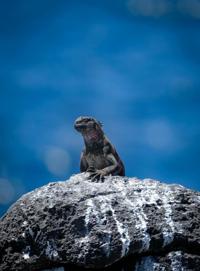
Travellers to most of Ecuador should exercise a high degree of caution, with the exception of the Galápagos Islands, which is considered generally safe.
Francesco Ungaro/Pexels
Ecuador
Canadian officials have a general travel warning for Ecuador with sterner warnings for several areas.
“Exercise a high degree of caution in Ecuador due to high levels of crime,” the travel advisory said.
People are also advised to avoid all travel within 20 kilometres of the border with Colombia in the provinces of Carchi (except for the Panamerican Highway, which connects to the official border crossing with Colombia at Tulcán/Ipiales), Esmeraldas, and Sucumbíos. This warning is due to drug trafficking and criminal activity there.
Due to the presence of landmines and unmarked minefields, people should also avoid all travel within two kilometres of the border with Peru in the following cantons of the province of Zamora-Chinchipe:
- Chinchipe
- El Pangui
- Nangaritza
- Yantzaza
People are advised to avoid non-essential travel to these areas:
- The province of Esmeraldas.
- In the province of El Oro: Machala and Huaquillas.
- in the province of Guayas: Durán, Milagro, multiple areas of northern Guayaquil (Bastión Popular, El Fortín, Flor de Bastión, La Florida, Las Orquídeas, Monte Bello, Monte Sinaí, Mucho Lote, Nueva Prosperina, Paraíso de la Flor, Pascuales), and certain areas of southern Guayaquil (Esteros, Portete, and Sur).
- In the province of Los Ríos: Babahoyo and Quevedo.
Travel is considered generally safe in the Galápagos Islands, where people should take normal security precautions.
The full advisory for Ecuador is available online.
El Salvador
Canada’s advisory for El Salvador warns about risks related to potential government action.
“Exercise a high degree of caution in El Salvador due to the risk of arbitrary enforcement of local laws and crime,” the travel advisory said.
El Salvador’s government implemented a state of exception in March 2022, which resulted in the loss of certain constitutional rights and massive arrests of suspected criminals.
The security situation has improved greatly since then, but the state of exception remains in place, allowing authorities to conduct searches, seizures and detain persons of interest, including foreigners.
The full advisory for El Salvador is available online.
Canada’s advisory for Guatemala warns of risks in several areas and a nationwide state of siege.
“Exercise a high degree of caution in Guatemala due to high levels of crime roadblocks and demonstrations that occur throughout the country,” the advisory for the Central American country said.
Additionally, people are advised to avoid non-essential travel to several areas due to high levels of violent crimes.
Areas to avoid non-essential travel include:
- Within Guatemala City: Zones 1, 3, 5, 6, 7, 18 and 21.
- In Guatemala Department: San Pedro Ayampuc and Villa Canales.
- In Escuintla Department: San José, Siquinilá and Tiquisate.
Border crossings on the following highways should also be avoided:
- CA-01: La Mesilla border with Mexico, and San Cristobal border with El Salvador.
- CA-02: Tecun Uman border with Mexico, El Carmen border with Mexico, and La Hachadura border with El Salvador.
- CA-10: Agua Caliente border with Honduras.
- CA-11: El Florido border with Honduras.
- CA-12: Anguiatu border with El Salvador.
- CA-13: Melchor de Mencos border with Belize.
- CA-13: El Corinto border with Honduras.
- PET-13: El Ceibo border with Mexico.
Guatemala’s federal government declared a 30-day nationwide state of siege on Jan. 18 in response to a series of armed attacks against the police in Guatemala City. Attacks against the police occurred following a crackdown on gangs in the area.
The full advisory for Guatemala is available online.
Guyana
People are advised to “exercise a high degree of caution in Guyana due to high crime rates.”
The full advisory for Guyana is available online.
Haiti
Canadians are told to avoid travelling to Haiti.
“Avoid all travel to Haiti due to the threat posed by kidnappings, gang violence and the potential for civil unrest throughout the country,” Canada’s travel advisory said.
The full advisory for Haiti is available online.
Honduras
Canadian officials advise travellers to exercise a high degree of caution in Honduras due to crime with sterner warnings for several areas of the Central American country.
Citing risks related to gang-related violence, high crime rate and civil unrest, people are advised to avoid non-essential travel to the following areas:
- Within 20 kilometres of the border with Guatemala, excluding Copán Ruinas, the El Florido border crossing, and the CA-11 Highway to El Florido border crossing.
- Within 20 km of the border with El Salvador, excluding the CA-1 Highway to the El Amatillo border crossing, CA-4 Highway to the El Poy border crossing, and RN-112 Highway between Palmerola airport and the municipality of El Amatillo.
People are also advised to avoid non-essential travel in the departments of:
- Choluteca: the city of Choluteca.
- Colón, excluding the city of Trujillo.
- Cortés: the eastern neighbourhoods of San Pedro Sula (Chamalecón, Cofradía, and Rivera Hernandez), the city of Choloma, and the neighbourhood of El Planeta in the city of La Lima.
- Francisco Morazán: the city of Comayagüela, excluding the Toncontin airport and the major roads leading there.
- Gracias a Dios
- Olancho
- Yoro
The full advisory for Honduras is available online.
Jamaica
Canada cautions travellers to Jamaica about crime and areas affected by damage caused by Hurricane Melissa.
“Exercise a high degree of caution in Jamaica due to the high level of violent crime, particularly outside tourist areas,” the advisory said.
Additionally, infrastructure damage in the western parishes of Jamaica, including St. Elizabeth, Westmoreland, Trelawny, St. James and Hanover, was severely damaged by Hurricane Melissa in October 2025.
Due to extensive damage, you may not be able to access essential services such electricity or running water in some communities, and there is a risk of water-borne and mosquito-borne diseases due to standing water. Furthermore, health-care services may be limited in some areas.
The full advisory for Jamaica is available online.
Mexico
Canada’s travel advisory for Mexico offers a general warning for the entire country, plus regional advisories with a sterner warning.
“Exercise a high degree of caution in Mexico due to high levels of criminal activity and kidnapping,” the advisory said for the country in general.
Travellers should also avoid non-essential travel to certain areas due to high levels of violence and organized crimes.
- Chiapas, excluding the city and ruins of Palenque (and highway 186 leading there), the city of Tuxtla Gutiérrez (and its airport and the main road leading there), and the city of San Cristobal de las Casas (and toll highway 190D between this city and Tuxtla Gutiérrez).
- Chihuahua, excluding Chihuahua City.
- Colima, excluding the city of Manzanillo if accessed by air.
- Guanajuato, in all areas south of and including highways 43D and 45D.
- Guerrero, excluding the cities of Ixtapa/Zihuatanejo only if accessed by air.
- Jalisco, within 50 km of the border with Michoacán state.
- The Lagunas de Zempoala National Park in Morelos.
- Michoacán, excluding the cities of Morelia and Patzcuaro.
- Nayarit, within 20 km of the border with the states of Sinaloa and Durango.
- Nuevo León, excluding the city of Monterrey.
- Sinaloa with the following exceptions, and only if accessed by air or sea: the city of Los Mochis, and specific areas in the city of Mazatlán (Centro Histórico south of Avenida Gutiérrez Najera, the road connecting Centro Histórico to the airport, and the main coastal roads from Centro Histórico to Playa Delfines, including Zona Cerritos and Zona Dorada (the Golden Zone).
- Sonora, excluding the cities of Hermosillo, Guaymas/San Carlos and Puerto Peñasco.
- Tamaulipas, excluding the city of Tampico.
- Zacatecas, excluding Zacatecas City.
The full advisory for Jamaica is available online.
Nicaragua
Canadians are advised to “exercise a high degree of caution in Nicaragua due to the political situation, the potential for civil unrest and crime.”
The Central American country has experienced periods of political unrest since 2018, which has resulted in hundreds of deaths and detentions.
The full advisory for Nicaragua is available online.
Paraguay
“Exercise a high degree of caution in Paraguay due to increasing crime,” Canada’s travel advisory for the South American country said.
The full advisory for Paraguay is available online.


Machu Picchu is in southern Peru, a country where travellers should exercise a high degree of caution.
Laetitia Saad/Pexels
Peru
Canadian officials have several warnings for Peru.
“Exercise a high degree of caution in Peru due to high levels of crime, as well as social conflicts and strikes that may occur across the country,” the advisory for the South American country said.
Canada also warns against visiting certain regions of Peru.
People are advised to avoid all travel to the Valley of the Apurímac, Ene and Mantaro Rivers (VRAEM) and surroundings due to the risk of terrorism, drug trafficking and associated crime, and limited law enforcement presence.
People should also avoid non-essential travel to the Upper Huallaga River Valley and surroundings due to instances of domestic terrorism and criminal activity such as drug trafficking, robberies, kidnappings, extortion and raids.
People are also advised to avoid non-essential travel to areas within 20 kilometres of the border with Colombia due to gang-related violence and organized crime linked to drug trafficking and illegal mining, as well as within 20 kilometres of the border with Ecuador, except for Tumbes border crossing and the Panamerican Highway, due to the presence of landmines and unmarked minefields.
The country declared a state of emergency for the provinces of Lima and Callao to curb a rise in violent crime. This gives authorities increased rights to restrict freedom of movement, monitor correspondence, conduct search and seizures, and detain persons of interest.
Additionally, popular mountain trails in the Cusco region, including those that lead to Machu Picchu, are closed through February due to an increased risk of landslides during heavy seasonal rains.
The full advisory for Peru is available online.
Trinidad and Tobago
Canada warns of violence and a state of emergency in Trinidad and Tobago.
“Exercise a high degree of caution in Trinidad and Tobago due to violent crime,” Canada’s advisory said.
People are also advised to avoid non-essential travel to the areas of:
- Beetham Estate Gardens.
- Cocorite (north of Western Main Road).
- Downtown Port of Spain (east of Charlotte street, south and west of Piccadilly street, and north of Independence Square).
- Laventille
- Sea Lots
The above areas should be avoided due to high levels of violence and gang-related crime.
The full advisory for Trinidad and Tobago is available online.
Turks and Caicos Islands
Canadians are advised to “exercise a high degree of caution in the Turks and Caicos Islands due to crime.”
Crime happens throughout the islands but it most prevalent on Providenciales, the most populous island.
The full advisory for Turks and Caicos is available online.
Venezuela
Canadians are told to avoid all travel to Venezuela.
“Avoid all travel to Venezuela due to the heightened security situation, unstable political and economic situations, significant level of violent crime, the risk of arbitrary detention, and the decline in basic living conditions, including shortages of medication, gasoline and water,” Canada’s travel advisory said.
Additionally, military strikes took place Jan. 3 in several areas of the country, including the city of Caracas and the states of Miranda, Aragua and La Guaira. Venezuelan authorities have declared a state of external commotion, giving them exceptional political, economic and social powers.
The full advisory for Venezuela is available online.
More advisories are available on the Travel Canada website.
EDITOR’S NOTE — Feb. 5, 2026: This article was updated to include newer information on Canada’s travel advisories for Cuba, Trinidad and Tobago, and Peru.
link



![‘Project Hail Mary’ Review: Ryan Gosling is Stuck Between a Rocky and a Hard Place in Crowdpleasing Sci-Fi Buddy Movie Adventure [A-]](https://i0.wp.com/awardswatch.com/wp-content/uploads/2026/03/PHM_30245_R2_rgb-scaled.jpg?fit=1200%2C800&ssl=1 "‘Project Hail Mary’ Review: Ryan Gosling is Stuck Between a Rocky and a Hard Place in Crowdpleasing Sci-Fi Buddy Movie Adventure [A-]")