7 Essential Tips for a Safe Family Camping Adventure
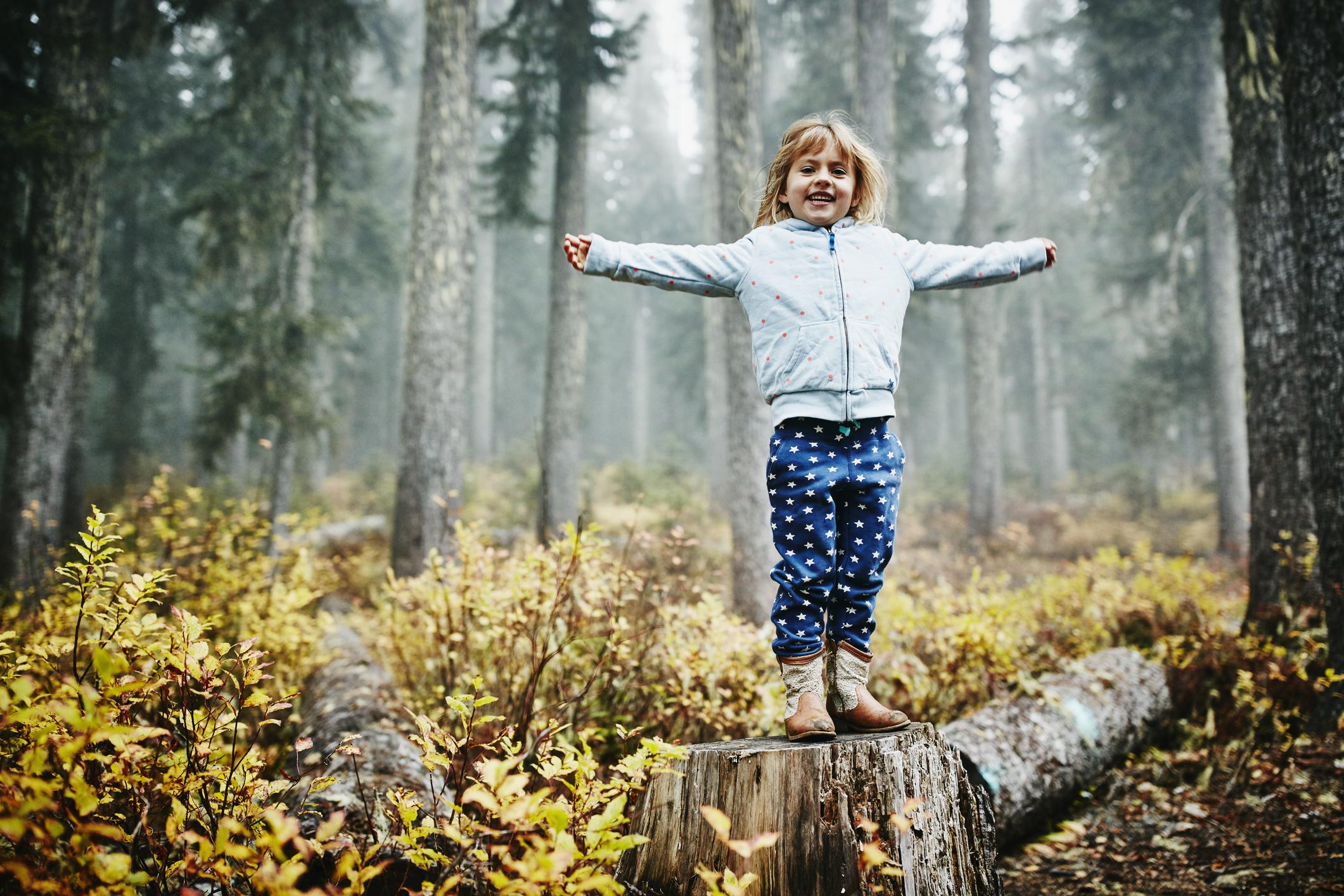
The right prep turns camping from exhausting to energizing. Below you’ll find smart, evidence-backed moves from pediatric safety experts, park rangers, and outdoor educators. Think realistic, parent-tested steps you can use tonight to pack, plan, and enjoy the trip you actually want.
1. Pick the right campsite and share the plan
Location sets the tone. Look for campgrounds with family-friendly amenities like bathrooms, potable water, and level ground. Keep toddlers away from water or steep drop-offs, and choose a site with afternoon shade if heat is a concern.
Before you go, tell a trusted person where you are headed and when you plan to return. The U.S. Forest Service emphasizes planning and checking local fire restrictions and closures in advance, which protects your family and the area you visit. Quick script: “We’re site 42 at Pine Lake, back Sunday noon. If plans change, I’ll text.” This simple check-in adds an extra layer of safety.
2. Bring reliable light: headlamps for everyone, plus a tough flashlight
Good lighting keeps hands free, nerves calm, and paths visible. Outdoor experts recommend a headlamp for each camper so bathroom runs and bedtime routines stay easy after dark. Prioritize models with a red-light mode to protect night vision, kid-friendly buttons, and an IPX water rating for surprise showers. Pack fresh batteries or a small power bank for rechargeable lights, and stash a compact lantern in the tent for reading and nighttime feeds.
Add one rugged handheld flashlight for scanning the campsite or signaling in an emergency; brands like LuxPro offer durable, high-output options that hold up well to family use. Family cue: do a “light check” 30 minutes before sunset to confirm every headlamp and flashlight works.
3. Keep food safe from cooler to campfire
Foodborne illness can end a trip. Federal food safety experts advise keeping cold foods at 40°F or colder from your fridge to the picnic table. Pre-chill your cooler, use block ice, and pack raw meats in leakproof containers at the bottom.
Bring a food thermometer and cook meat to safe internal temperatures. Handwashing matters, so pack a handwashing station: a water jug with a spigot, soap, paper towels, and a small catch basin. Easy cue: set an alarm for “cooler check” every few hours, then top off ice or swap in frozen water bottles to keep temps down.
4. Respect fire and stoves like the pros do
Campfires are a highlight when they are done safely. The National Park Service advises keeping fires in established rings, clearing a 10–15 foot radius, and placing tents and gear upwind and well away from flames. Only burn local firewood to avoid spreading pests. Keep a bucket of water and a shovel within arm’s reach, then teach kids the “three giant steps” rule to stay back. End the night by drowning, stirring, and feeling for heat until ashes are cold to the touch. If there is a fire ban, switch to a camp stove and glow sticks for that cozy evening vibe.
5. Store food like wildlife depends on it, because it does
Animals have incredible noses. The National Park Service and U.S. Forest Service recommend bear-resistant canisters, lockers, or proper hangs where required. Store everything scented, including snacks, toothpaste, and baby wipes, in approved containers and never in your tent. Create a family routine: “Eat at the table, clean right after, stash everything in the canister.” This keeps bears and small critters safe, protects your gear, and prevents late-night surprises. Invite kids to help with a “crumb patrol” after meals. It is care for wildlife and it builds stewardship.
6. Make a weather plan before the clouds roll in
Weather can shift quickly in the backcountry. NOAA urges campers to monitor forecasts, carry a weather radio if you will be out of service, and have a lightning plan. Avoid ridgelines, isolated tall trees, and open fields during storms. If thunder roars, head for a hard-topped vehicle when possible. In heat, prioritize shade, rest, and frequent hydration breaks. In cold, layer synthetics or wool and keep a dry backup set for kids. Family cue: set “weather huddles” at breakfast and dinner to review the forecast and choose the day’s safest plan together.
7. Teach Leave No Trace so kids can lead
Leave No Trace offers seven simple principles that make trips safer, cleaner, and more enjoyable for everyone. Plan ahead, use durable surfaces, pack out all trash, leave what you find, minimize campfire impact, respect wildlife, and be considerate of others. Give each child a role: the map reader, the micro-trash collector, the wildlife watcher. Kids love purpose and it turns them into great trail citizens. Try a nightly debrief: “What did we do today that helped the campsite look better than we found it?” Their answers will surprise you.
Closing thought: You already know how to keep your family safe. Camping just asks you to bring that same wisdom to a new setting. With thoughtful planning, a few well-chosen tools, and clear family routines, you can spend less time troubleshooting and more time making memories under the stars.
References
https://www.fsis.usda.gov/food-safety/safe-food-handling-and-preparation/food-safety-basics/food-safety-while-hiking-camping
https://www.fda.gov/food/buy-store-serve-safe-food/handling-food-safely-while-eating-outdoors
https://www.nps.gov/articles/campfires.htm
https://www.fs.usda.gov/visit/know-before-you-go/fire
https://www.nps.gov/articles/bearsafetyfood.htm
https://www.fs.usda.gov/visit/know-before-you-go/bears/bear-resistant-food-canister
https://www.weather.gov/media/rnk/outdoors/Camping%20Safety%20Tips.pdf
https://lnt.org/why/7-principles/
https://www.rei.com/learn/expert-advice/how-to-choose-headlamps.html
https://luxpro.com/
link




![‘Project Hail Mary’ Review: Ryan Gosling is Stuck Between a Rocky and a Hard Place in Crowdpleasing Sci-Fi Buddy Movie Adventure [A-]](https://i0.wp.com/awardswatch.com/wp-content/uploads/2026/03/PHM_30245_R2_rgb-scaled.jpg?fit=1200%2C800&ssl=1 "‘Project Hail Mary’ Review: Ryan Gosling is Stuck Between a Rocky and a Hard Place in Crowdpleasing Sci-Fi Buddy Movie Adventure [A-]")