5 Destinations That May Soon Limit Cruise Ships

The cruise industry is experiencing unprecedented growth, with an estimated 35 million passengers projected to set sail in 2024, up from an already staggering 31.7 million in 2023. Yet this boom has sparked a global reckoning with over-tourism. Cities worldwide are pushing back against massive ships and overwhelming crowds, implementing restrictions that could fundamentally reshape cruise itineraries.
Some destinations have already drawn their lines in the sand, while others are still weighing their options. The tension is palpable between economic benefits and quality of life for residents. These limitations represent more than policy changes – they signal a movement toward sustainable tourism that prioritizes long-term preservation over short-term profits.
Santorini, Greece: Tourist Tax and Daily Caps
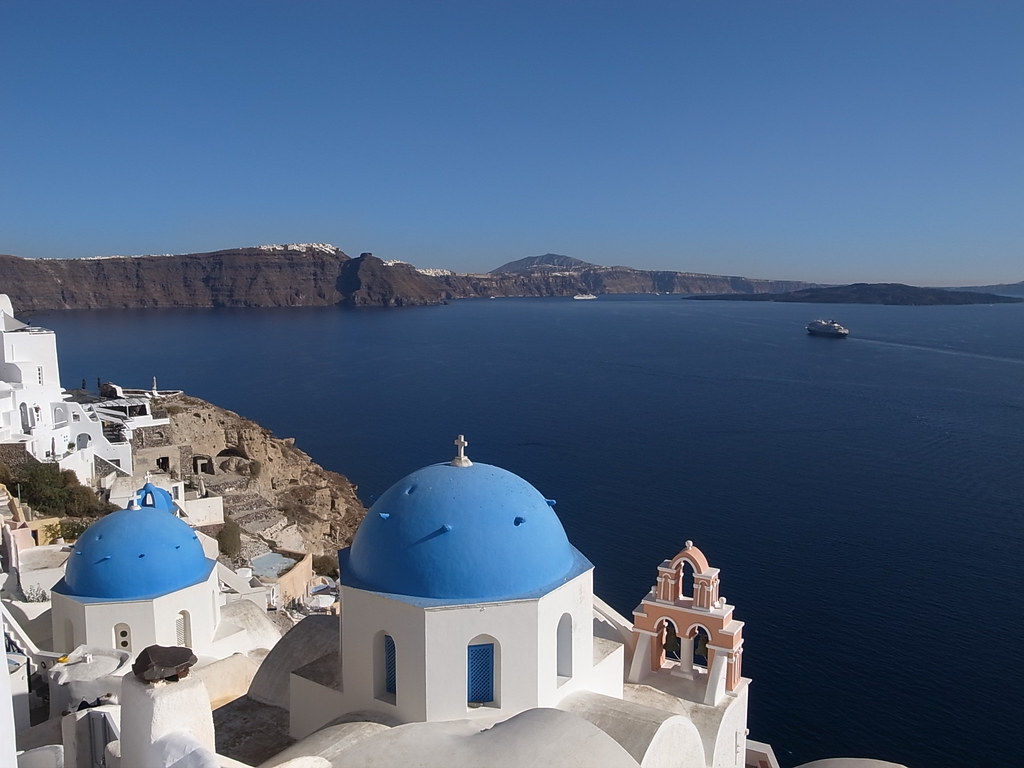
The picturesque Greek island has implemented a two-pronged approach to managing cruise tourism. In September 2024 Greece announced a new tax for cruise ship passengers visiting the isles of Mykonos and Santorini. During the busy peak summer months, cruise ship passengers will be taxed $22 (20 euro).
The measures go beyond taxation. Beginning in 2025, Santorini will cap the number of cruise ship passengers allowed to visit at 8,000 per day. This represents a significant reduction considering 800 cruise ships called at Santorini in 2023, with a total of 1.3 million visitors onboard.
Greek authorities justify these restrictions by stating that “cruise shipping has burdened Santorini and Mykonos and this is why we are proceeding with interventions”. The overcrowding has become so severe that the infrastructure can no longer handle the daily influx of thousands of tourists.
Venice, Italy: Historic Center Ban and Size Restrictions
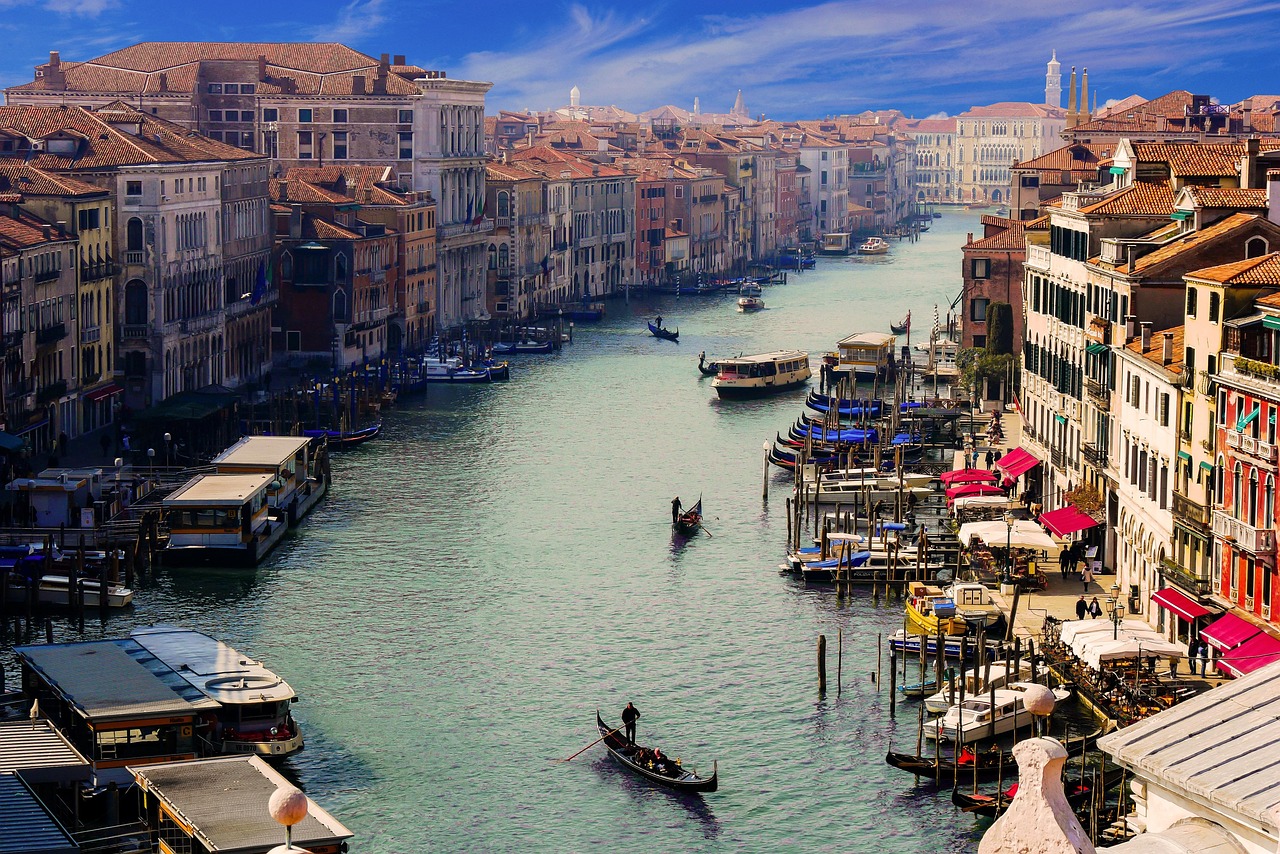
Venice has taken some of the most aggressive steps against cruise tourism. In 2021, Venice barred large cruise ships from anchoring in its historic centre, specifically banning them from entering the Giudecca canal.
The city’s fragile ecosystem faces continuous threats from large vessels. They argue that the big ships cause pollution and erode the foundations of the city – which already suffers from regular flooding. The city’s fragile ecosystem has faced growing pressure from large ships, whose wakes have contributed to erosion.
Looking ahead, Venice plans to allow smaller ships of up to 60,000 tons to dock at specific canals by 2027, providing a compromise that still permits some cruise tourism while protecting the environment. The city is also considering a further reduction in ship traffic, with the potential for a 20% decrease in cruise visits to the lagoon.
Amsterdam, Netherlands: Cutting Calls in Half
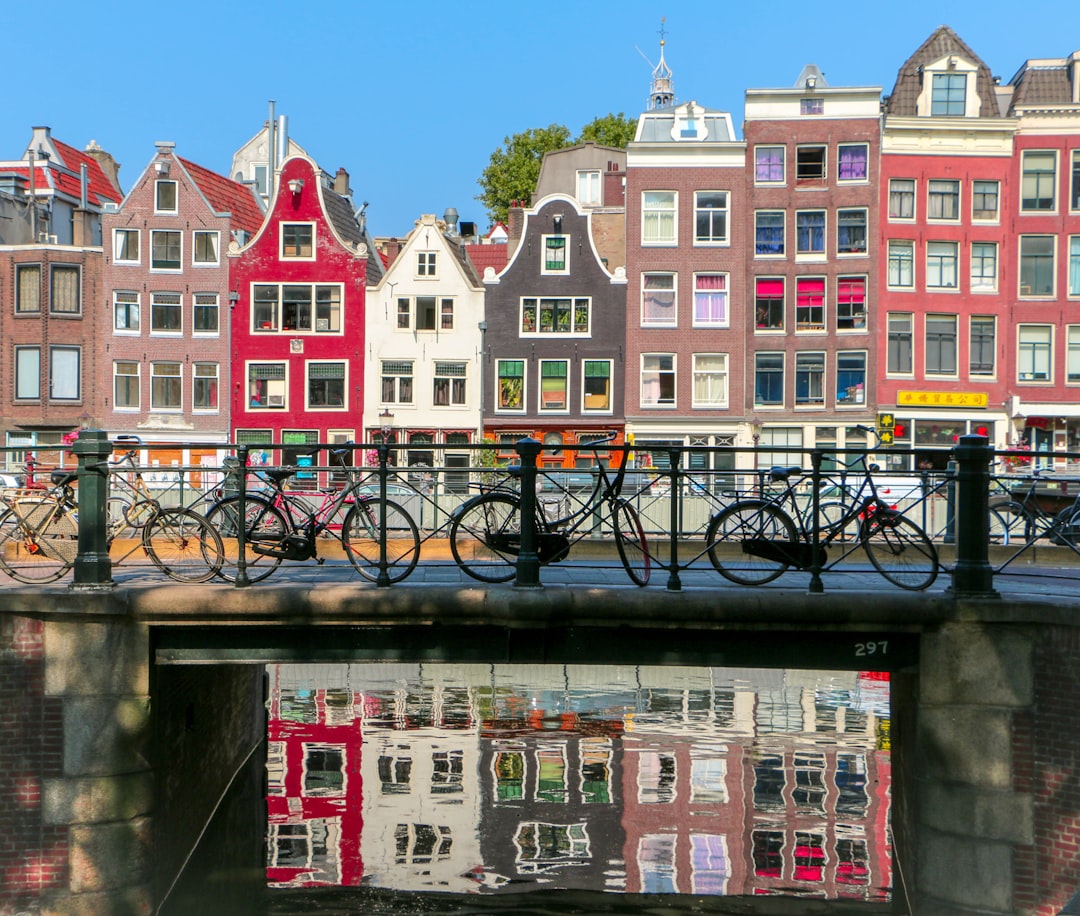
Amsterdam has implemented one of the most significant reductions in cruise ship traffic among European destinations. The local government has taken steps to cut down the number of ships entering the port, reducing the number of cruise calls to 100 per year by 2026 – half of the previous volume.
The Dutch capital isn’t stopping there. The new rules will require all ships to use shore-side power by 2027 to reduce emissions, a key step in the city’s commitment to sustainability. This environmental focus reflects the city’s broader strategy to combat both overcrowding and pollution.
In Amsterdam, the situation is particularly severe, with the city being one of the most visited in Europe relative to its size. This small yet bustling city saw a sharp increase in cruise arrivals, which crowded the already narrow streets and canals. The reduction in cruise calls aims to restore balance to this historic city.
Barcelona, Spain: Terminal Closures and Passenger Limits
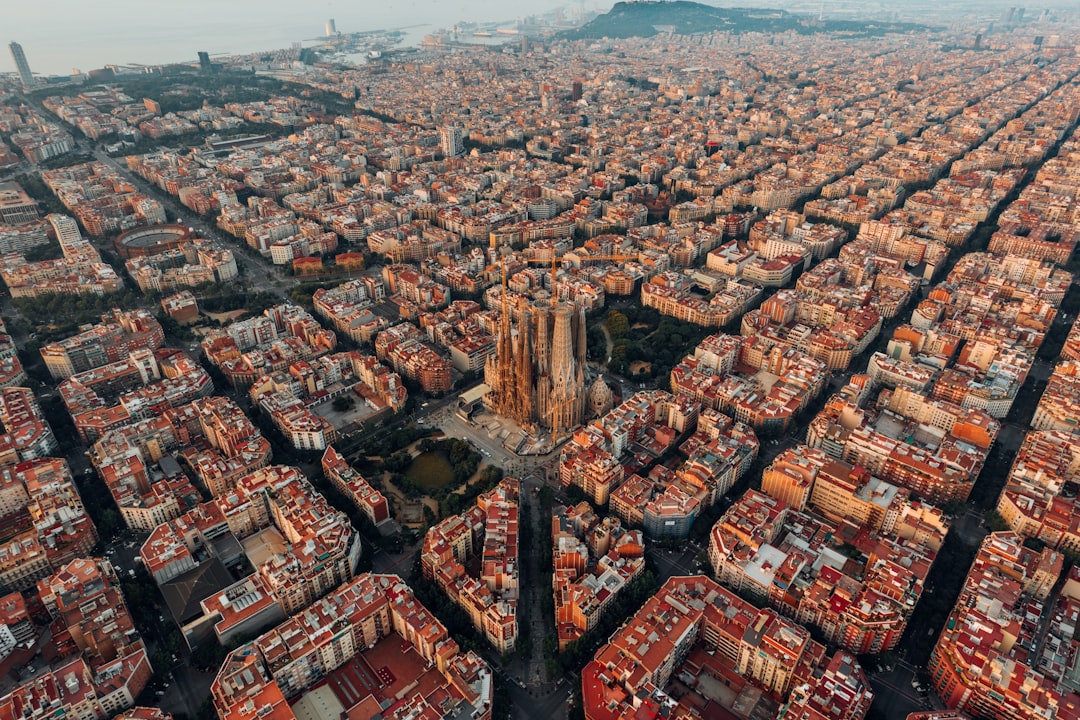
Barcelona has taken decisive action by permanently closing cruise terminals. Two prominent cruise terminals at Barcelona’s Port will permanently close by the end of 2025, directly impacting travelers, especially those from the United Kingdom and other international cruise tourists.
The city has already begun implementing changes. Barcelona – as it moves to tackle its own issues – closed its North terminal to cruises on 22 October last year. Around 340 ships a year will now have to dock at the Moll d’Adossat pier instead which is the furthest from the city’s residential areas.
These changes will force cruise operators to alter their Mediterranean routes significantly. Some operators may redirect ships toward other Mediterranean ports, such as Malaga, Valencia, or Marseille, impacting tourist patterns across Southern Europe. The restrictions demonstrate Barcelona’s commitment to prioritizing residents’ quality of life over tourism revenue.
Juneau, Alaska: Daily Passenger Caps Begin 2026
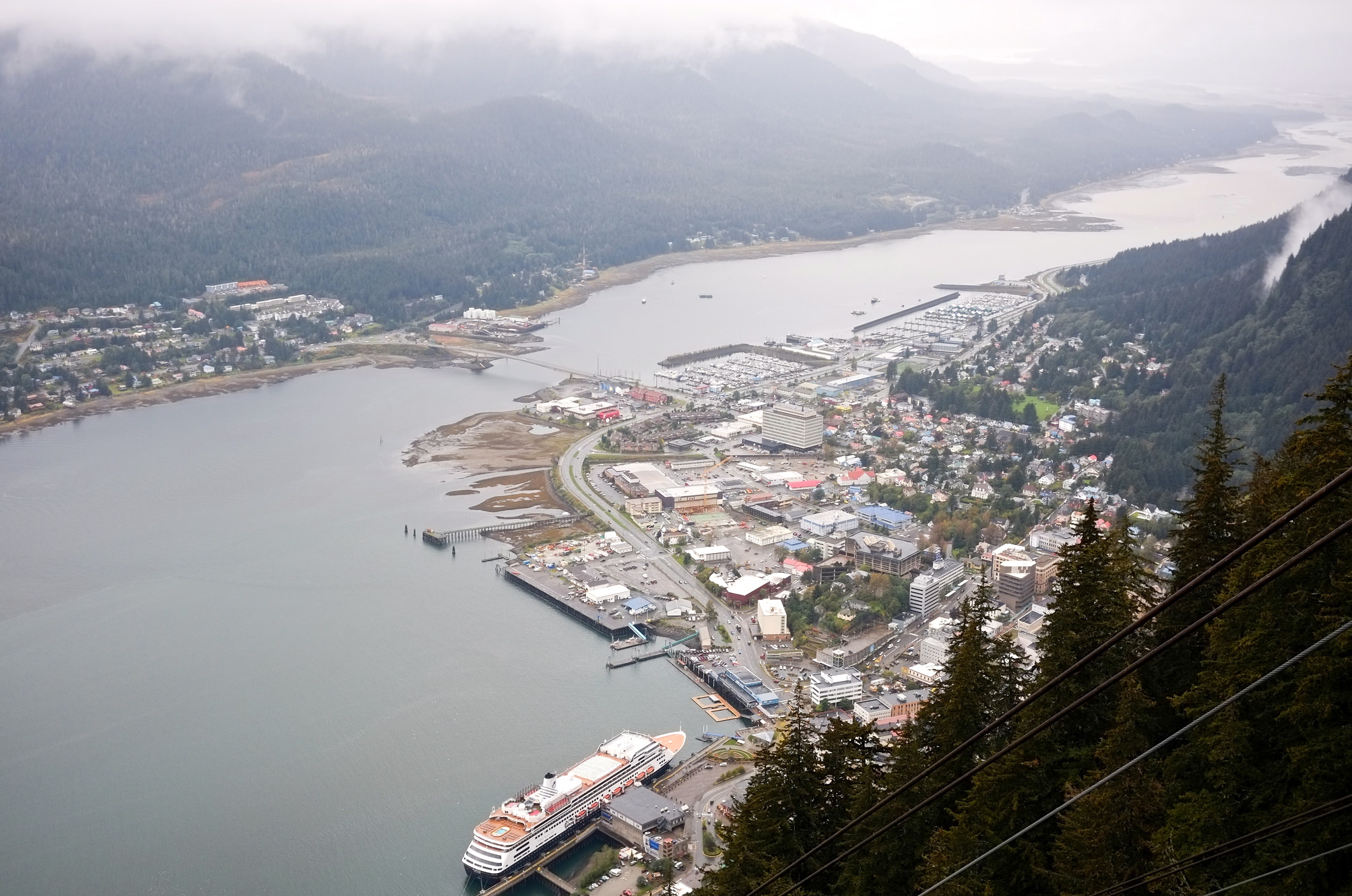
Alaska’s capital city has negotiated a comprehensive agreement with cruise lines that will reshape Arctic tourism. Starting in 2026, Juneau will have a cap on the number of daily passengers that come off cruise ships: 16,000 people on most days and 12,000 people on Saturdays.
The restrictions represent a significant reduction from current levels. Currently, Juneau can see up to 21,000 visitors on its busiest days. The city has also signed an agreement that goes into effect with the 2024 cruise season limiting the number of large ships to five per day.
These changes address the overwhelming impact on a small community. The U.S. Census Bureau sets the popular at approximately 32,000 and on a busy cruise day the city can receive an additional 15,000 or more visitors. The agreement aims to balance tourism benefits with livability for permanent residents.
These six destinations represent a growing global movement toward sustainable cruise tourism. Their restrictions reflect deeper concerns about environmental damage, infrastructure strain, and community well-being. While cruise lines may face operational challenges, these limitations could ultimately create a more sustainable model for the industry’s future growth.
What do you think about these restrictions? Are they necessary measures to preserve these destinations, or could they go too far in limiting tourism opportunities?
link


![‘Project Hail Mary’ Review: Ryan Gosling is Stuck Between a Rocky and a Hard Place in Crowdpleasing Sci-Fi Buddy Movie Adventure [A-]](https://i0.wp.com/awardswatch.com/wp-content/uploads/2026/03/PHM_30245_R2_rgb-scaled.jpg?fit=1200%2C800&ssl=1 "‘Project Hail Mary’ Review: Ryan Gosling is Stuck Between a Rocky and a Hard Place in Crowdpleasing Sci-Fi Buddy Movie Adventure [A-]")