


Council leaders in two of England’s key tourist destinations have called on government to facilitate a discussion on sustainable tourism across the country’s ‘heritage cities’.
In a letter to Angela Rayner, Deputy Prime Minister and Secretary of State for Housing, Communities and Local Government, the leaders of Bath & North East Somerset Council and Cambridge City Council said a roundtable discussion was needed to explore solutions for overstretched local services, with the introduction of a “modest visitor levy” among their suggestions.
The letter said that the council leaders of York and Oxford had also been consulted, “and as a group we advocate for sustainable tourism and the devolution of power to local government”.
It continued: “In light of the increasing number of tourists visiting our cities and towns, we believe it is both necessary and prudent for a conversation between those key heritage cities, that are so important to brand UK in the international market, about how the benefits of mass tourism can be concentrated most strongly in the places which support this crucial industry.”
The “primary objective” of any discussion would be to “explore and develop strategies for ameliorating the adverse impacts of tourism in our destinations whilst also considering how the benefits can be as impactful and wide ranging as possible to drive greater economic and social value”.
Devolved powers
In England, national legislation empowering councils to introduce tourist levies does not exist; however, in a number of cities, including Manchester and Liverpool, Business Improvement Districts (BIDs) have been used to introduce levies to fund local improvements.
Last month, a call by England’s Metro Mayors for devolved powers to introduce tourist taxes was met with resistance from business leaders and hospitality associations, who said their introduction risked “unpicking all of the good work done by the private sector in building a flourishing and thriving visitor economy”.
However, elsewhere in the UK, governments have passed legislation permitting councils to introduce tourist taxes, with Wales becoming the second nation to do so on 8 July.
The Senedd’s approval of the Visitor Accommodation Bill gives Welsh councils the option to adopt the tax and decide when and where it will apply. Though any introduction of levies is not expected until 2027 at the earliest.
Affecting overnight tourists aged 18 and above, the tax will apply to those staying in hotels, bed and breakfasts, or short-term rentals, who could pay an extra £1.30 per night. Meanwhile, for visitors who camp or stay in hostels, the nightly fee would be £0.75.
Money raised will be used to fund tourism infrastructure, as well as the Welsh government’s Cymraeg 2050 language strategy, which aims to increase the number of Welsh speakers to one million by 2050.
Finance Secretary Mark Drakeford said: “Visitor levies are used successfully all over the world. They ensure the pressures and opportunities tourism bring are balanced fairly between visitors and residents. We want the same for Wales.”
The legislation in Wales follows Scotland’s lead, where Edinburgh will introduce a 5% tariff on overnight stays from July 2026, with Glasgow planning to follow suit by 2027.
However, the plans for the launch of the tax in the capital have been decried by the Scottish Tourism Alliance as an “unworkable system” that needs “urgent changes” if it is not to “fail at the first hurdle”.
High numbers of ‘ebbing and flowing’ tourists
Kevin Guy, leader of Bath & North East Somerset Council, said that having the sort of powers being introduced in Scotland and Wales would allow the city to reinvest directly into “the services and infrastructure that make these visits possible”.
“We want to sustain the quality of the visitor experience while safeguarding the well-being of our communities,” he said, adding that any levy in the city should apply fairly across all types of accommodation, including short-term lets such as Airbnb.
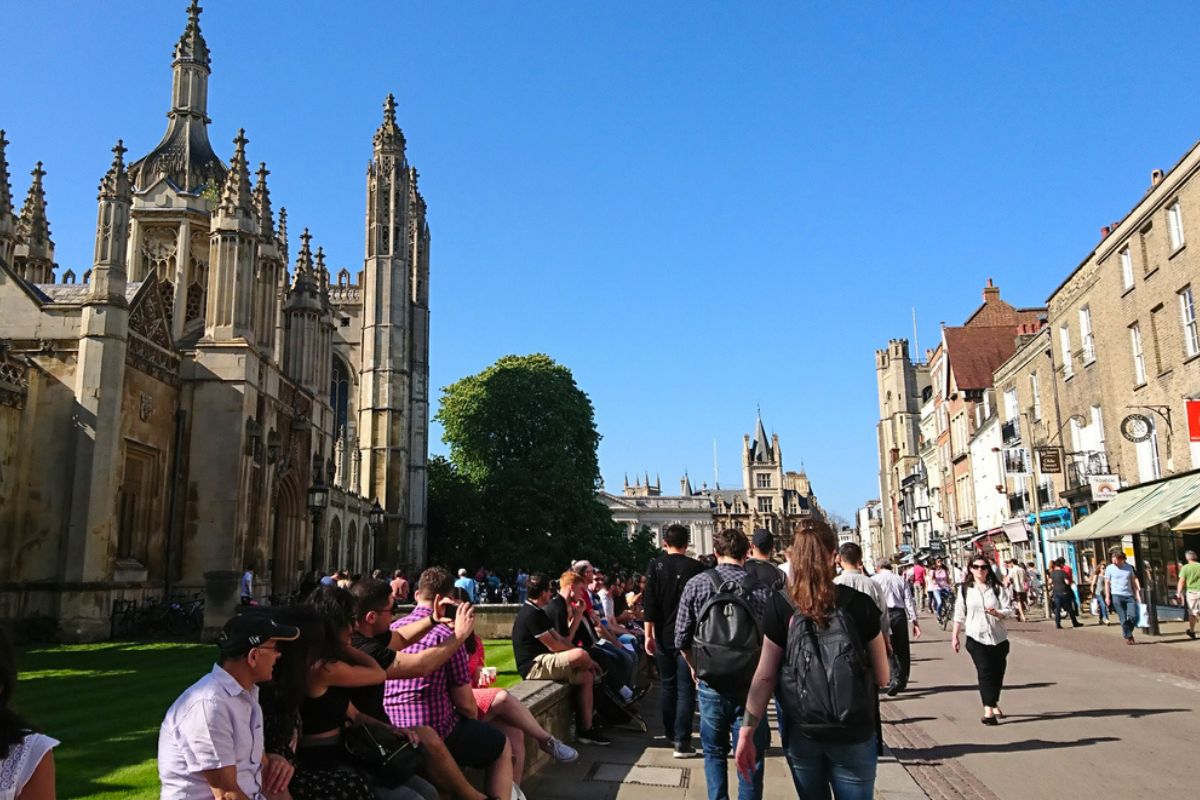
Describing the issues facing Cambridge, Cameron Holloway, leader of the council, said, “High numbers of tourists ebbing and flowing through our relatively small medieval city centre can have a serious impact on local people, and can detract from the visitor experience.
“If tourism in historic cities like ours is to remain sustainable and internationally competitive, we need to be given the means to manage the flow of visitors and to address some of the negative impacts of tourism on local residents, public realm, and infrastructure.
“Scotland and Wales have these powers now, as do many cities in Europe. We were disappointed not to see anything from the government in the Devolution Bill to provide similar powers in England, as we want Cambridge to have the same.”
A Ministry of Housing, Communities and Local Government spokesperson said: “There are currently no plans to introduce a tourism tax in England.
“Places can already choose to introduce a levy on overnight stays through the Accommodation Business Improvement District model.”
Advertisement


link