



The stunning destinations you’ve bookmarked for your next Instagram-worthy vacation might be causing more harm than you realize. From Barcelona to the Canary Islands, 2025 has seen tens of thousands of locals express their growing frustration in anti-tourism rallies and demonstrations across Europe, with the BBC reporting that while overtourism has concerned residents for a while, “it feels like something has changed. The anger among many locals is reaching a new level”.
Local residents are no longer staying silent about the devastating impact of overtourism on their communities. Local residents in Europe’s urban hubs are increasingly at odds with short-term tourist rentals, overcrowded attractions, and the cost-of-living crisis, which is pricing locals out of their homes. Rising rents are at the heart of the anti-tourism movement, with popular destinations such as Barcelona, Amsterdam, and Valencia seeing rental prices skyrocket as property owners prioritise short-term rentals for tourists over long-term tenants. Let’s explore which beloved destinations locals are desperately hoping you’ll reconsider visiting.
Venice, Italy

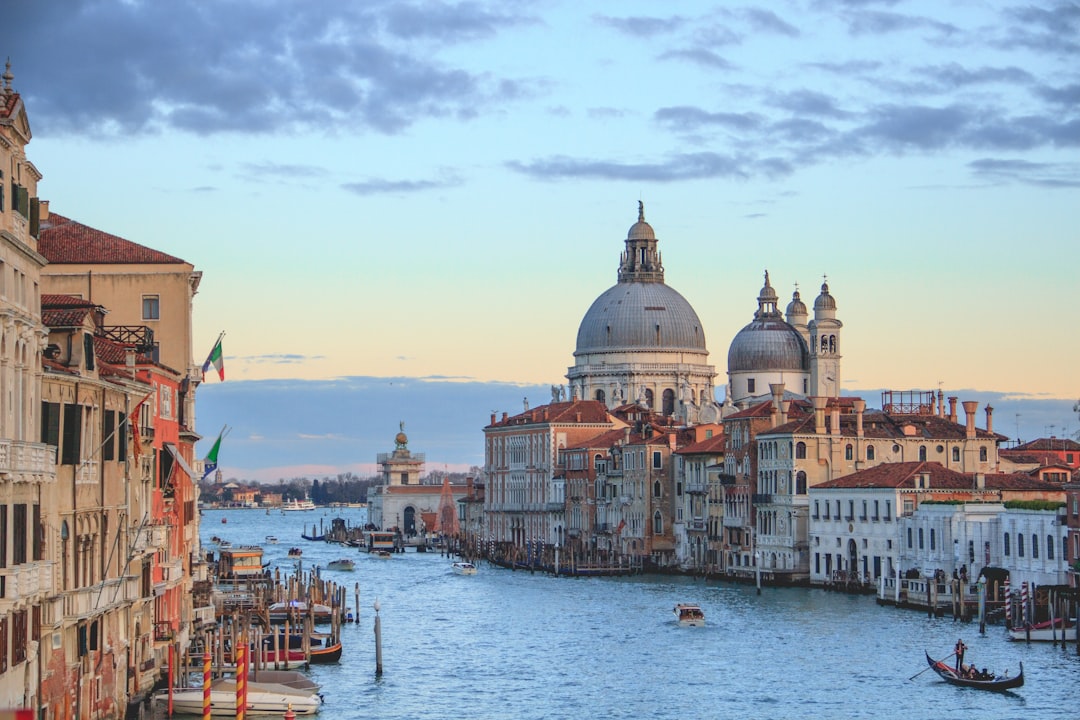
Venice receives over 20 million tourists a year for a historic city center with a declining resident population, creating an impossible situation for locals trying to maintain their daily lives. The city’s controversial tourist tax, introduced in 2024, has become a symbol of desperation rather than success.
During the 29 dates when the initial €5 access fee was in force in 2024, Venice received on average 7,000 more visitors compared to the same days of the previous year. City council member Giovanni Andrea Martini called the entry ticket measure a “miserable failure,” stating that the ticket has “in no way lowered the flow of tourists” and according to economics professor Jan Van Der Borg, the charges have had “no impact on the tourist numbers arriving in the city”.
Venetians gathered on the city’s streets to protest the tax’s rollout, with some locals fearing it would turn Venice into a “theme park” while others accused Venice of using the entry fee as a diversion for the local government’s failure to address a housing crisis. The onslaught has pushed locals to the mainland as they flee rising rents and tourist-clogged streets.
Barcelona, Spain
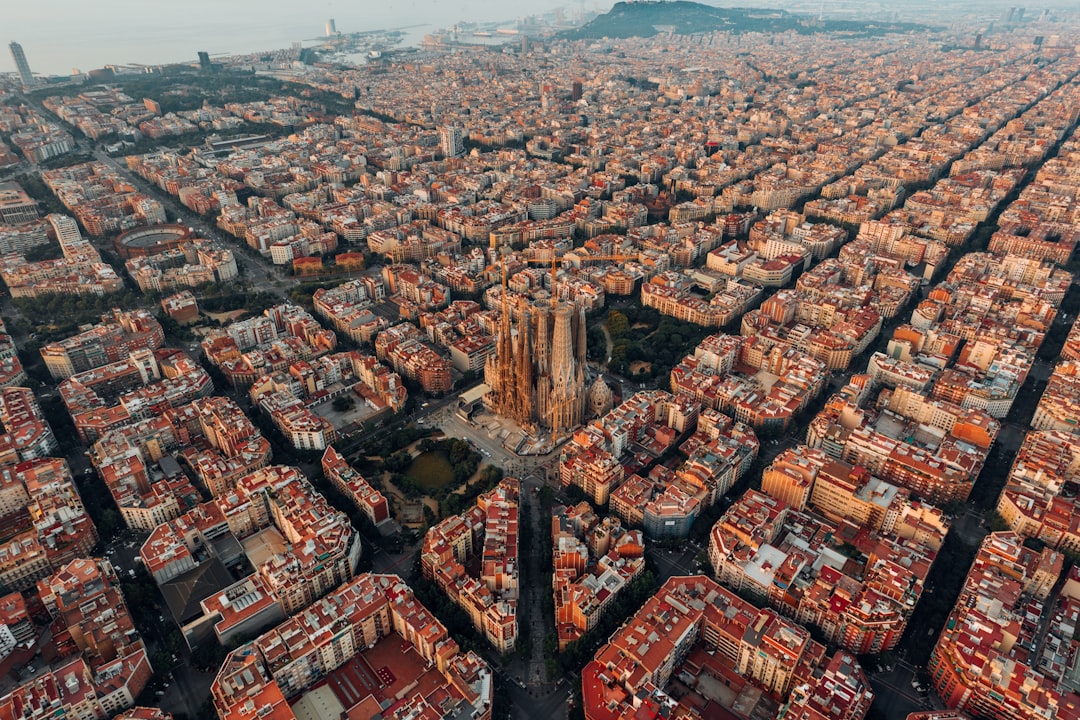
Barcelona receives approximately 12-15 million overnight visitors annually in a city of 1.6 million residents, leading to protests where 6,000 residents demanded reduced tourist numbers while protesters sprayed tourists with water. The situation has become so tense that visitors are being directly confronted on the streets.
In July 2024, protesters in Barcelona threw items, sprayed travelers with water guns and canned drinks, and used police-style tape to block hotel entrances, including highly publicized incidents when residents sprayed tourists with water pistols. According to Xavier Mas de Xaxàs speaking with the Guardian, increased tourism has also brought drug trafficking, petty crime, and the loss of culture to the city.
Following protests throughout Spain in 2024, tourist arrivals increased significantly in recent months, according to Spain’s National Statistics Institute. In response to continued protests, Mayor Jaume Collboni announced plans to end short-term rentals in Barcelona by 2028 and raise the tourist tax on cruise ship visitors.
Bali, Indonesia
Bali recorded around 5.3 million international visitors in 2023, with foreign tourist numbers rising to approximately 3.5 million by the first seven months of 2025, marking a 22% increase.
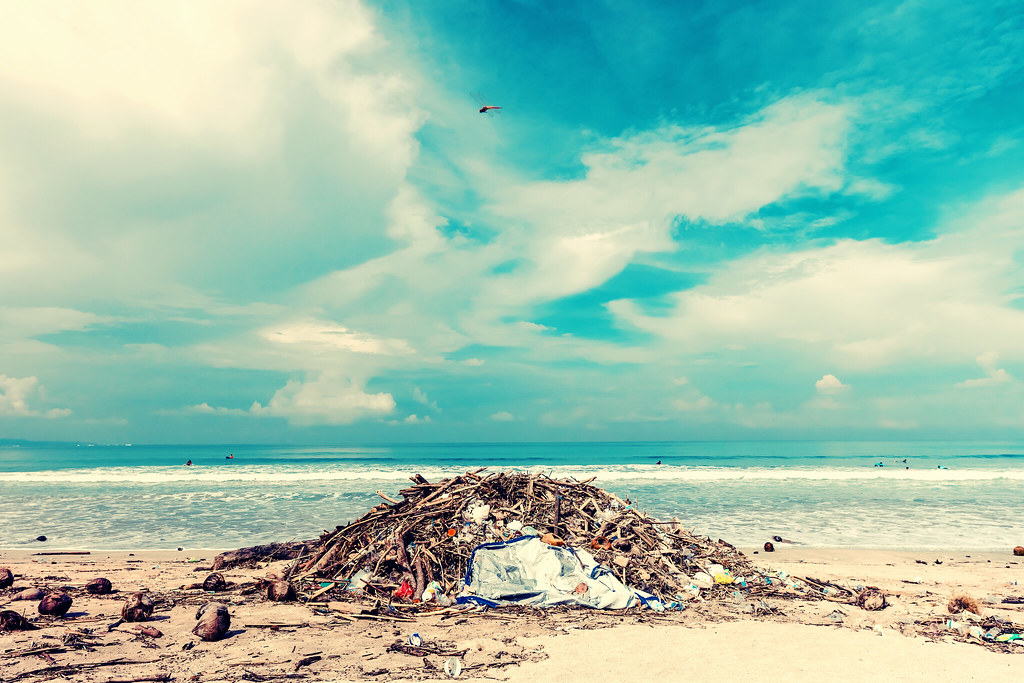
Once-pristine beaches like Kuta and Seminyak are now buried under piles of trash, with local waste management systems struggling to keep up, and the Bali Partnership estimates the island generates 1.6 million tons of waste annually, with plastic waste comprising nearly 303,000 tons. Over 1.6 million tonnes of waste are generated annually, with only 7 per cent of plastic waste being recycled, and beaches like Kuta are buried under trash while infrastructure struggles to keep pace with the influx of tourists.
While Bali has held on to its global acclaim as an icon, nowadays it’s seen more as a status symbol with “waaaaay too many tourists, rapid environmental erosion, less authentic culture, and yes, unsightly heaps of plastic waste constantly washing ashore”. The island’s economy thrives on hospitality, but that relies on the health of its landscapes, which are being degraded, with formerly pristine beaches such as Kuat and Seminyak now litter-covered.
Canary Islands, Spain
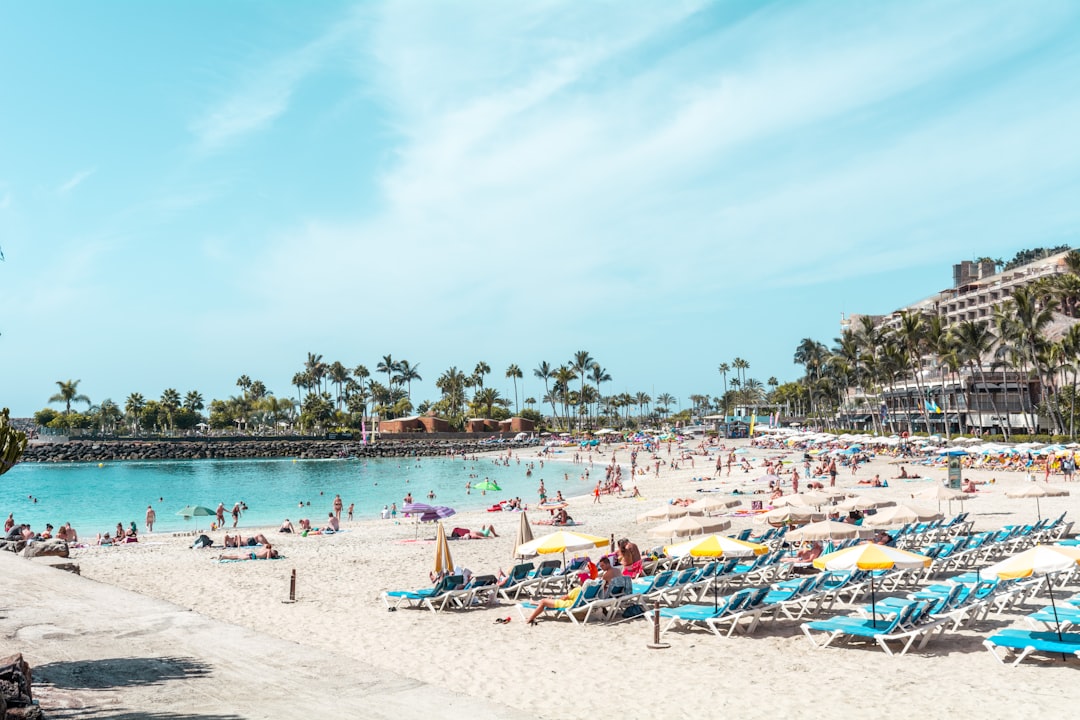
In April 2024, mass protests began in the Canary Islands, with between 20,000 and 50,000 people across the islands taking part in coordinated protests against the excess tourism, which campaigners argue has damaged the welfare of the population and the islands’ environment. Thousands protested at holiday resorts in Gran Canaria, Tenerife, Fuerteventura, and Lanzarote under the slogan “Canary Islands have a limit”.
Residents claim that the arrival of millions of travelers yearly depletes already limited natural resources and damages the environment. The Canary Islands, which in 2023 played host to over seven times their resident population of 2.2 million, are dealing with some pretty serious consequences as a result of overtourism.
The Canary Islands, where the tourism industry makes up 35% of the GDP and generated €16.9 billion ($17.8 billion) in 2023, still saw a third of residents at risk of poverty in 2023. Local activist Rodriguez advises tourists to “choose other more sustainable destinations, with less polluted seas and where their money does not contribute to the impoverishment of the local population and the overexploitation of their resources”.
Oaxaca, Mexico
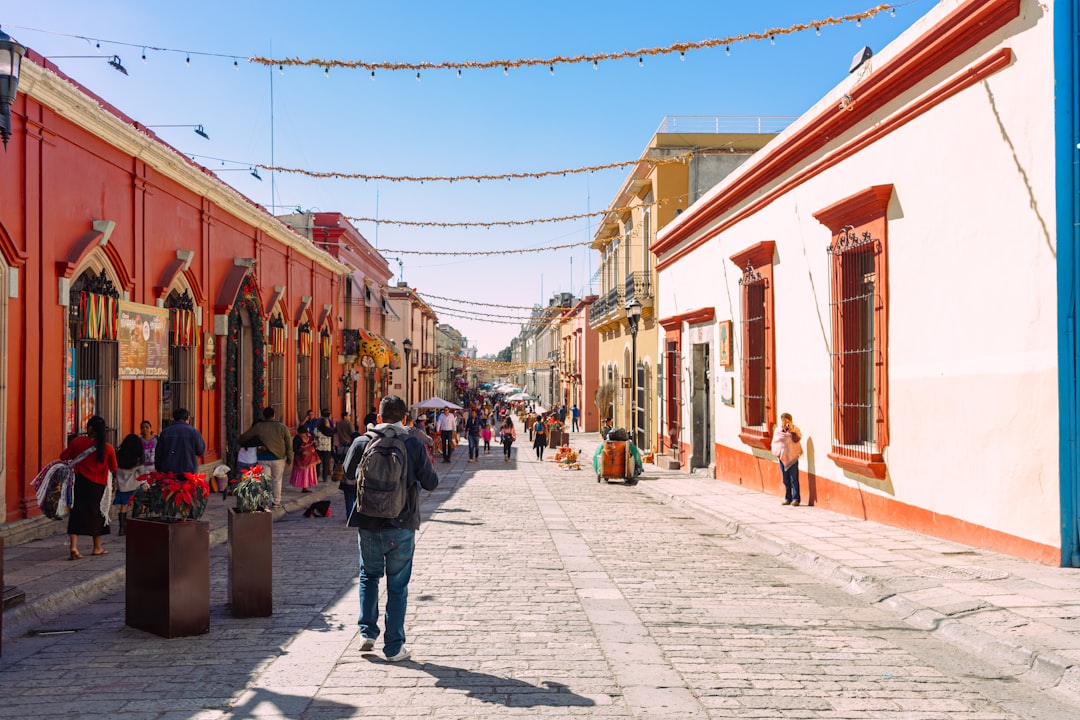
Since 2020, tourism in Oaxaca has soared by 77 percent and English is gradually replacing Spanish as the most-spoken language. Once a sleepy town in Mexico loved for its rich history and culture, Oaxaca has sadly been transformed into an overtouristed tourist destination, losing much of the charm and authenticity that made it so popular.
Long-time residents have been priced out of central areas due to stark increases in the price of rent, and public services in the city such as water supply and transport are feeling the pressure. Overtourism in Oaxaca has caused tension among local communities, leading to protests against the town’s gentrification, with residents complaining that commercialization destroys their customs and culture, leading to significant wealth gaps and environmental degradation, while traditional buildings have become shops and rental prices have skyrocketed.
Many Oaxacans feel that important elements of their culture, such as mezcal consumption and the Guelaguetza festival, are becoming commercialised. During a rehearsal dinner in Mexico City’s Roma Norte neighborhood, witness Nan Palmero described seeing demonstrators moving through the streets shouting “Gringos leave,” with protesters later smashing restaurant windows and damaging vehicles.
Kyoto, Japan

Japan’s historic city of Kyoto has been trying to cope with overtourism by limiting access to small streets as one solution, with private streets and alleys in Gion now closed to tourists. The historic district that was once a peaceful area for traditional culture has become overwhelmed by tourist crowds seeking Instagram shots with geishas.
In May 2024, a temporary barrier was erected to block the view of a popular Mount Fuji photo spot near a convenience store in the town of Fujikawaguchiko, as authorities of one overrun town erected a barrier to prevent tourists from snapping selfies with Mount Fuji. Normally considered a great alternative to Tokyo, Kyoto also made travel experts’ ‘No List’ for destinations to avoid.
The overwhelming number of visitors has disrupted the delicate balance of this culturally significant city. Tourists who want to learn more about geisha culture are now encouraged to visit locally-run organizations, with the Gion Kagai Art Museum, which opened in 2024, offering exhibits about geishas, daily performances, and opportunities to take pictures with geishas and maikos.
Scotland’s North Coast 500
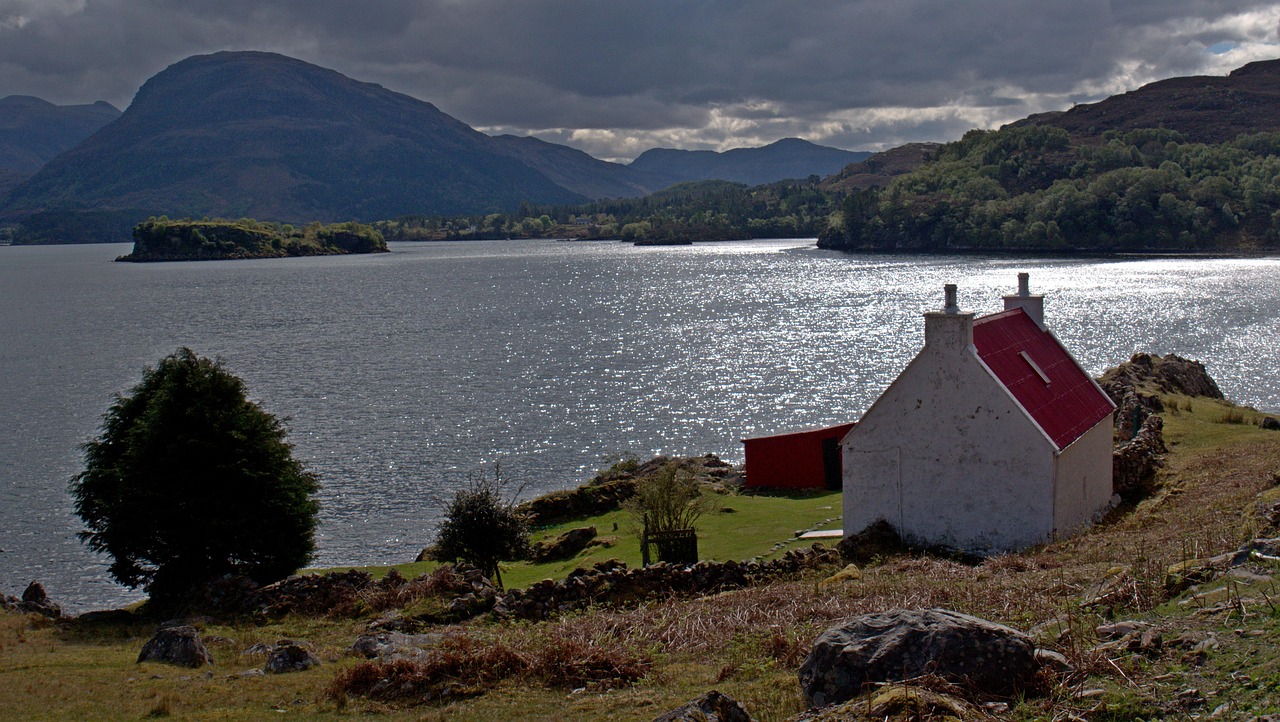
Scotland has seen a spike in American popularity, with the North Coast 500 known as the region’s best road trip destination, but the problem is that the cats are out of the bag, resulting in headaches for tourists and locals alike, especially higher prices and traffic congestion, with roads unable to handle the influx and locals frustrated with local authorities’ proposed solutions.
This popular road trip has caused traffic congestion and environmental harm, with wild camping leaving beaches and private properties littered with trash and human waste, prompting locals to call for stricter visitor management. The 516-mile route that was once Scotland’s best-kept secret has become a victim of its own success.
While it might be enticing to witness Scotland’s famous Highland cattle with emo haircuts, it might be best to venture elsewhere. The infrastructure simply cannot support the massive influx of road trippers, particularly during peak summer months when the route becomes clogged with rental cars and motorhomes.
British Virgin Islands
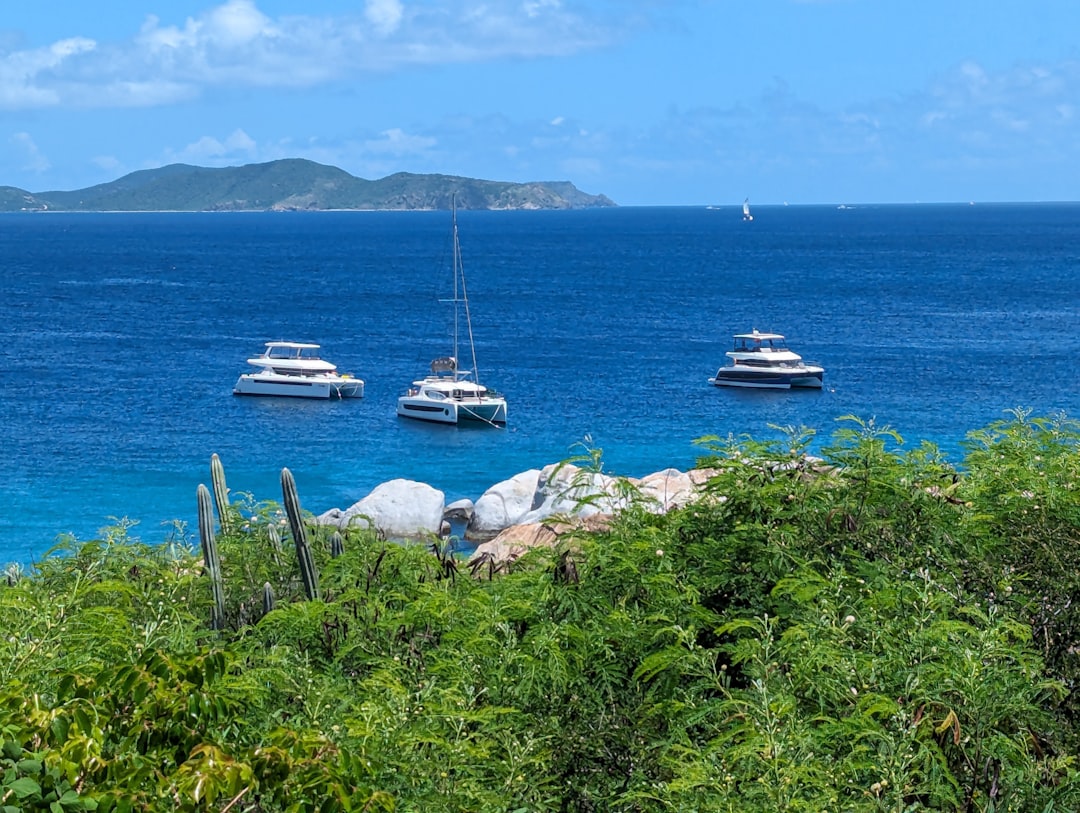
The first half of 2024 set a new tourism record for the British Virgin Islands, with more than 683,000 visitors, but the increase comes primarily from cruise tourists who don’t stay on the islands or spend money locally. Tourism officials in the British Virgin Islands seem to be taking a nonchalant approach to locals’ concerns, with the main concern being that cruises are such a focal point that residents aren’t seeing dividends as a trickle-down effect.
Fragile coral reefs are being damaged, and large groups of cruise passengers overwhelm local resources. When Hurricane Irma wiped out a wastewater treatment plant in 2017, it took years before running efficiently again after causing sewage run-off into the island’s vibrant blue waters, and although $100 million will be invested for necessary upgrades, it’s estimated to be $600 million short of what’s needed.
There is concern that the current trajectory of the tourism industry isn’t in the best interests of local residents and the environment, despite the British Virgin Islands appearing to thrive from a tourism standpoint. The focus on short-term cruise visitors over sustainable, longer-term tourism is creating environmental and economic problems for local communities.
Kerala, India
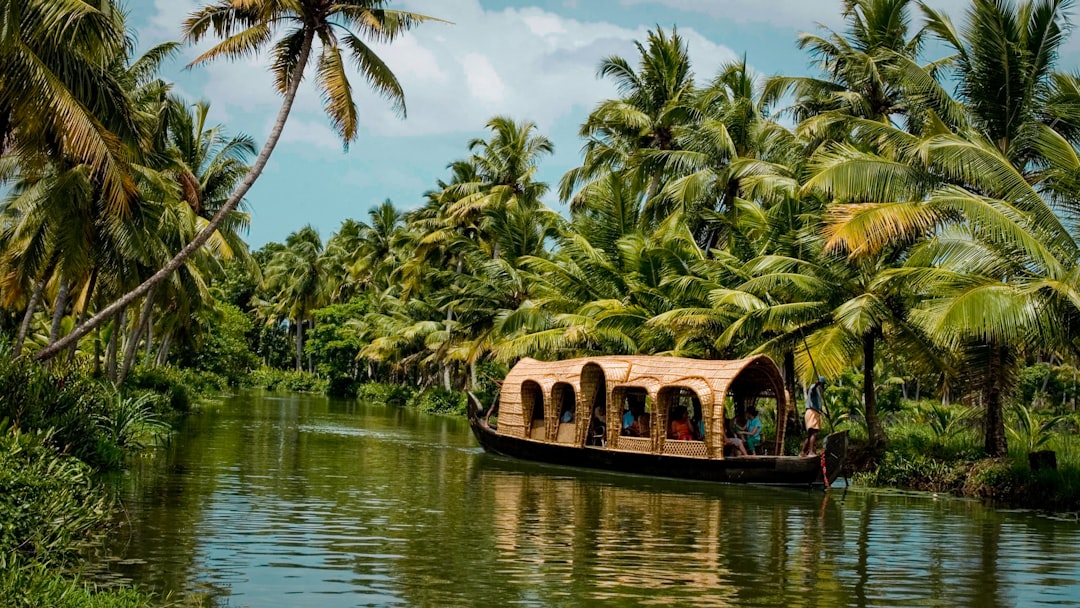
Kerala has been one of India’s go-to places for tropical charm, pristine beaches, and impressive natural beauty, but overtourism threatens everything that made “God’s Own Country” so special. The destination that once offered peaceful backwater experiences and authentic cultural encounters has become overcrowded and commercialized.
These problems come with deadly consequences, as in 2024, over 200 people were killed in Kerala following devastating landslides in Wayanad. The environmental degradation caused by excessive tourism development and climate change has made natural disasters more frequent and severe in the region.
The delicate ecosystem of Kerala’s backwaters and coastal areas cannot sustain the current level of tourism pressure. What was once a serene destination for experiencing traditional houseboats and local culture has transformed into a crowded tourist trap that fails to deliver the authentic experiences visitors seek while simultaneously harming the environment and local communities.
Conclusion
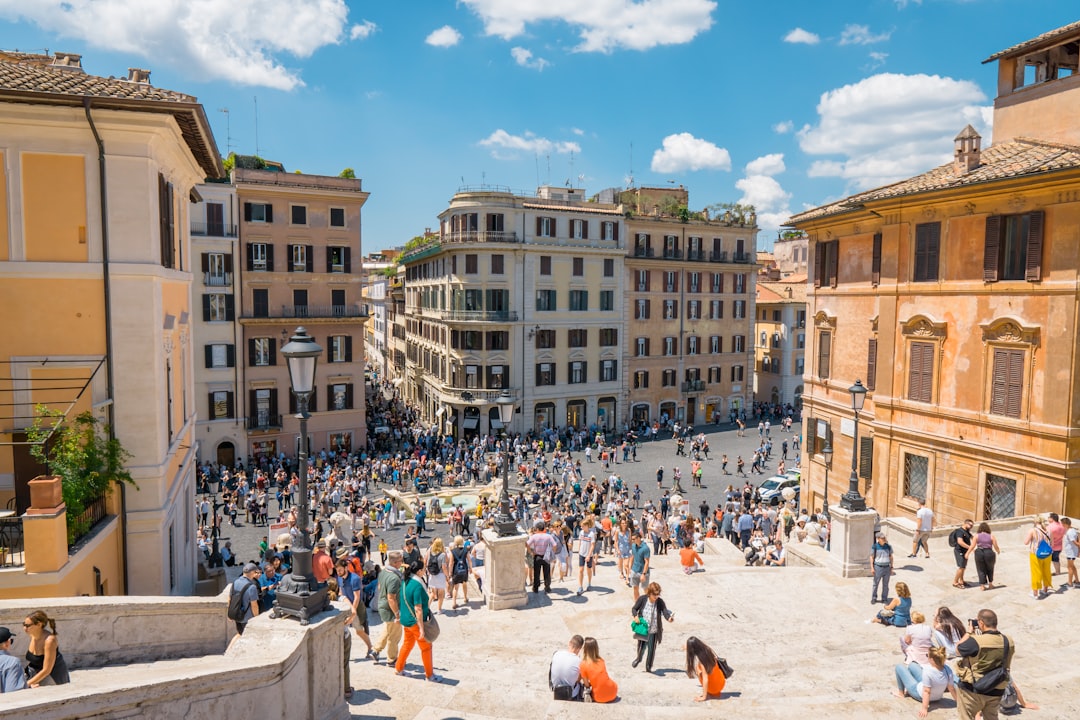
The destinations on this list represent a growing global crisis where the very attractions that draw millions of visitors are being destroyed by their popularity. As overtourism persists, residents’ reactions often move from tolerance to complaints to confrontations, though protests don’t repel travelers in the long term, they can pressure governments to act.
As the demand for travel shows few signs of slowing, overtourism is poised to remain a critical challenge for visitors, residents and affected destinations, with experts saying “the whole industry needs to be a lot more proactive”. Perhaps it’s time to consider those hidden gems and off-the-beaten-path alternatives that offer authentic experiences without contributing to the problems plaguing these once-beloved destinations.
What destinations have you crossed off your bucket list after learning about their overtourism struggles? Tell us in the comments.
link